


The Summer Camp Daily Brief – October 30, 2025
- Matthew Kaufman

- Oct 30
- 5 min read
When Universities Get Serious About AI Learning: What It Means for Your Camp
Picture this: You're wrapping up your post-season planning when news breaks that Old Dominion University just partnered with Google to launch "MonarchSphere": an AI incubator designed to revolutionize how educators teach and students learn.
Your first thought? "That's nice for them."
Your second thought should be: "What does this mean for my camp?"
Here's why this matters more than you might think.
The MonarchSphere Story and Why Camp Directors Should Pay Attention
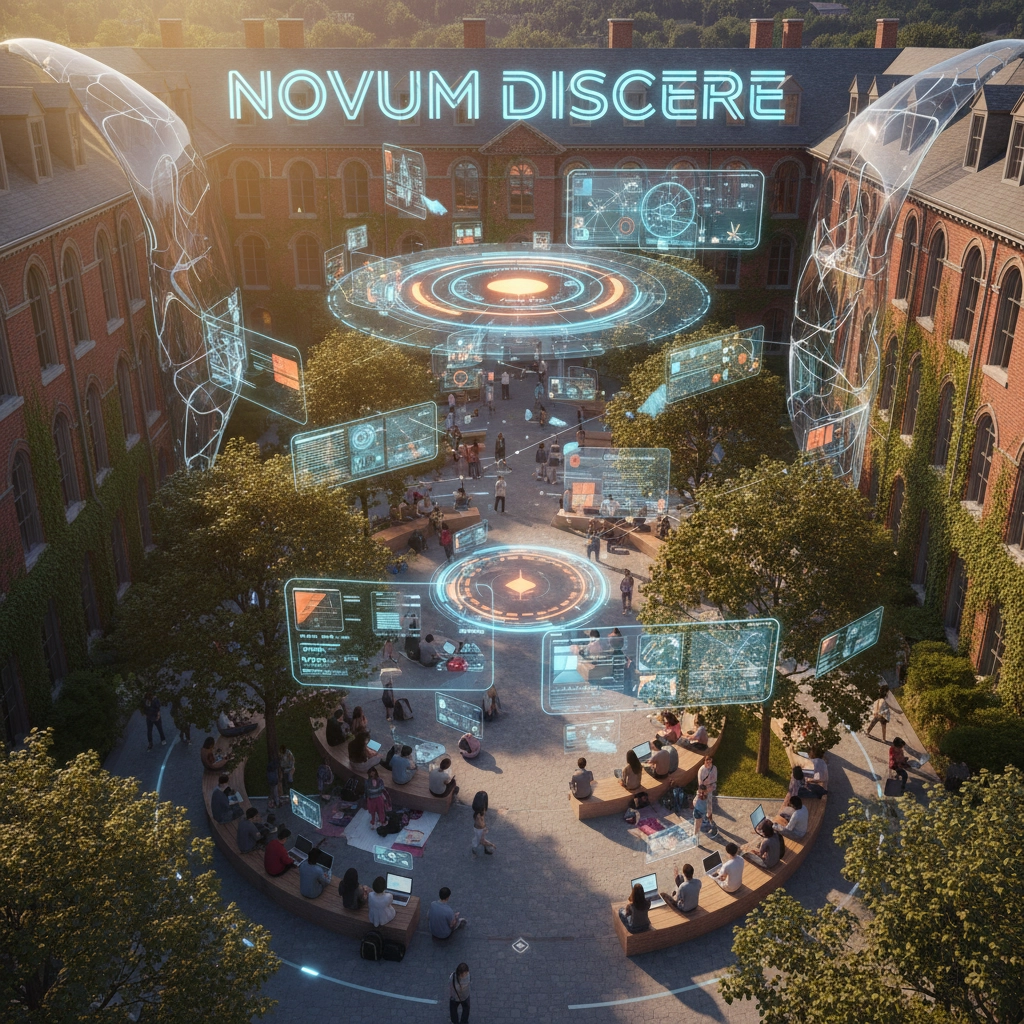
On October 29, ODU and Google Public Sector announced MonarchSphere, an AI-powered incubator that embeds generative AI and advanced analytics into teaching, university operations, and student engagement. Their goal? Accelerate individualized learning, boost operational efficiency, and create credentials tied to workforce readiness.
Now, before you roll your eyes and think "this is just another tech initiative that doesn't apply to summer camps," hear me out.
Camps are learning environments too: intensive, short-term, and incredibly impact-rich. If a major university is investing serious resources into AI to personalize and optimize learning, there are lessons we can borrow. The question isn't whether we should replace human connection with technology (we absolutely shouldn't), but how we can use smart tools to amplify how well our campers and staff learn, reflect, and grow.
What This Shift Means for Camp Learning Environments
Hybrid Human and Tech Learning Is The New Reality
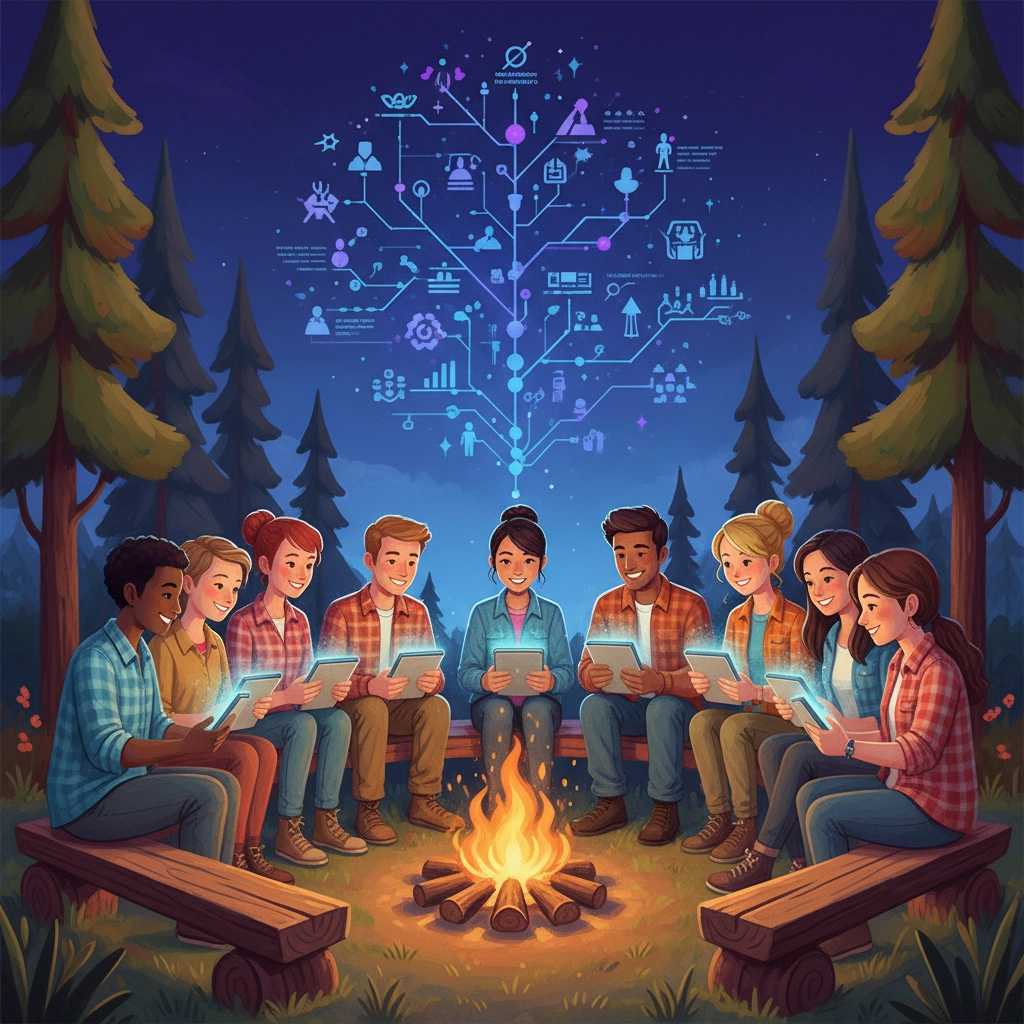
Research increasingly shows that AI in K-12 and beyond is shifting from novelty to core infrastructure. We're talking about adaptive feedback, data-driven reflection, and automation of routine tasks that free educators to focus on high-touch interactions.
For camps, this could mean automation tools for staff training modules, camper reflection prompts, or scheduling and feedback analytics. The goal isn't to reduce human connection: it's to create more space for meaningful interactions by streamlining the administrative stuff.
Think about your current staff training. How much time do you spend on logistics versus actual skill development? What if you could automate the routine check-ins and use that time for deeper conversations about child development or crisis management?
Intentional Design Beats Gimmicks Every Time
Here's what Bloomberg's recent commentary on AI in education reminds us: simply throwing AI at kids doesn't guarantee better learning. In fact, it can create risks like increased screen time and less meaningful interaction.
The lesson for camps? Design with purpose. If you're going to use an AI tool or algorithm, ensure it supports core camp values: connection, growth, resilience: rather than undermining them.
This means asking tough questions: Does this tool help campers reflect more deeply on their experiences? Does it give counselors better insights into individual camper needs? Or is it just shiny and new?
Staff Development Gets More Dynamic
When learning design shifts toward adaptivity and analytics, staff training needs to evolve too. For summer camps, this might look like micro-modules post-season, adaptive pre-training quizzes that identify strengths and gaps, or automated reminders for peer check-ins and skill reflection.
This approach helps staff arrive more prepared and gives leadership data to coach intentionally. Instead of generic training sessions, you could provide targeted support based on individual learning patterns and needs.
Balancing Child Development with Smart Automation
A recent University of Houston study found that outdoor adventure activities - challenging rather than passive experiences - significantly boost social and emotional development in youth. This reinforces what we know: camps should hold onto tactile, relational, outdoor, and reflective moments while layering technology intelligently.
The key word is balance. We're not talking about putting iPads in every activity. We're talking about using technology to enhance reflection, improve communication, and create more opportunities for the human connections that make camp transformative.
Four Actionable Ways to Apply This Today
1. Map One Learning Experience and Add Micro-Automation
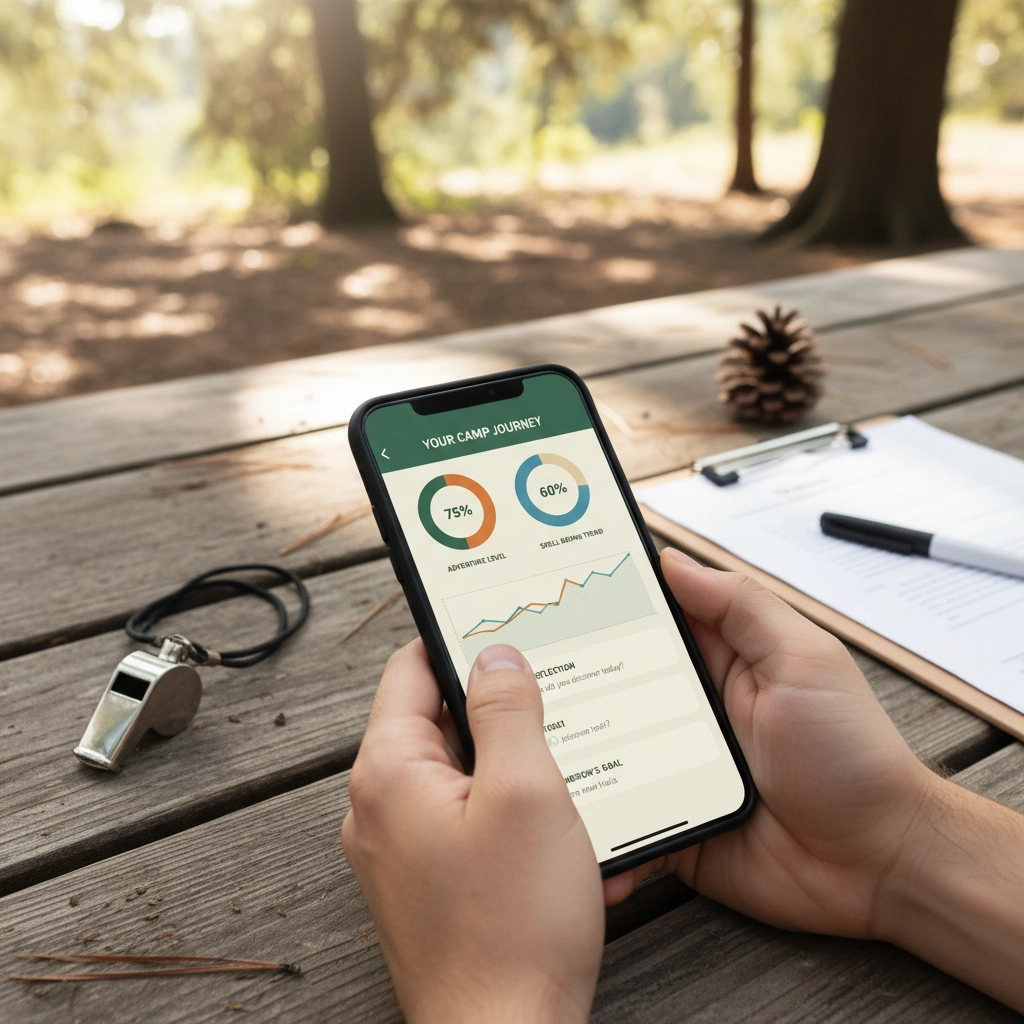
Pick one routine in your staff orientation or camper debrief: like the classic "What did you learn today?" question. Could you automate the prompt via SMS or a simple app, collect responses, and share a visual summary the next morning?
This small move creates big potential. Campers see their collective growth, counselors get insights into their cabin's development, and you get data on program effectiveness: all while maintaining the personal reflection component.
2. Design a Reflective Loop Using AI-Lite Technology
Use tools like Google Forms, Airtable, or Zapier-connected email to create a simple but powerful reflection system. Ask three questions: What challenge did you face? What did you do? What will you change tomorrow?
Then: and this is crucial: send a follow-up question 24 hours later: Did you act on your change plan? Why or why not?
This creates accountability and self-awareness without requiring sophisticated technology or reducing human connection.
3. Schedule Staff Micro-Learning Around Tech and Learning Design
Present the MonarchSphere story or campus research about different types of fun to your leadership team. Then ask the most important question: What does this mean for our camp?
Let staff brainstorm how one learning station or activity could incorporate "challenging fun," reflection prompts, and optional tech assistance. The goal is collaborative problem-solving, not top-down implementation.
4. Audit Your Weekly Schedule for High-Touch Versus High-Tech Balance
List all major sessions of a typical camp week. For each, ask: Is this primarily relational and hands-on (high-touch), or could we integrate a smart assist (high-tech) without jeopardizing connection?
Mark one slot that will remain purely human-centered and one that will test a tech-enhanced element. This intentional approach prevents technology from creeping into every corner while maximizing its impact where it makes sense.
The Bottom Line: Learning Design Over Learning Technology
AI and automation are rapidly influencing how learners engage across all educational contexts. Camps can utilize select tools to boost learning design without replacing the people element that makes our programs unique.
The most meaningful camp learning design is less about the technology and more about the intentional design of experience plus reflection plus connection. Staff training and camper experiences can both benefit from micro-learning, adaptive prompts, and feedback loops: as long as they're designed into the flow rather than imposed on top of it.
Most importantly, we must maintain the heart of camp learning: outdoors, community, challenge, and safe risk-taking. Technology should streamline, personalize, and deepen engagement, not replace the core experiences that build character and confidence.
What's Next?
Universities like ODU are betting big on AI-enhanced learning because they see its potential to create more personalized, effective educational experiences. As camp professionals, we have an opportunity to thoughtfully integrate these innovations while preserving what makes camp irreplaceable.
The question isn't whether technology will impact camp: it already is. The question is whether we'll be intentional about how we use it to serve our mission of developing confident, capable, connected young people.
Ready to design smarter, more connected, and intentionally rich learning experiences at your camp?
Follow@mattlovescampfor daily insights on camp innovation and leadership. Join the conversation atilove.campand connect with camp professionals who are shaping the future of youth development.
Comments