


The Summer Camp Daily Brief – October 28, 2025
- Matthew Kaufman

- Oct 28
- 5 min read
Story of the Day , Parenting skills training literally changes teens' brains
Here's something that should make every camp director sit up and take notice: A groundbreaking randomized clinical trial published in JAMA Pediatrics just proved that when caregivers learn better emotion-coaching skills, it literally rewires their kids' brains.
The study followed families through an 8-week program called "Tuning in to Teens," and the results were remarkable. The 10-12-year-old daughters of parents who completed the training showed measurable changes in prefrontal brain activation during emotion regulation tasks. Even better? Those brain changes translated into real-world benefits, reduced anxiety and fewer internalizing symptoms six months later.
What does this mean for your camp? Your counselors and unit leaders aren't just activity supervisors, they're everyday emotion coaches. And the science is now crystal clear: structured training in how adults respond to feelings isn't just "nice to have" programming. It's biologically meaningful for adolescents.

Why This Research Matters for Camp Directors
Think about it, your staff spend more waking hours with campers during the summer than most parents do with their kids during the school year. Every interaction where a counselor notices, names, and validates a camper's feelings, then guides them toward healthier coping strategies, is potentially rewiring young brains for better emotional regulation.
The accompanying editorial in JAMA Pediatrics urges youth-serving programs to design interventions with the developing brain in mind. Instead of just talking about emotions, we need to create opportunities for kids to actually practice regulation skills.
This aligns perfectly with what camps do best, providing real-world scenarios where kids can build problem-solving skills through experience rather than lecture.
The Broader Mental Health Picture
The brain-training research doesn't exist in a vacuum. Two other studies published in the last 48 hours paint a concerning picture of adolescent mental health that camps need to understand.
A massive study in Pediatrics Online screened over 24,700 adolescents in primary care settings and found that more than 15% reported traumatic events and clinically significant traumatic-stress symptoms. This mirrors what many of you are seeing in your camper populations, trauma exposure isn't rare.
For younger children, a clinical study from Sweden reinforced the power of relationship-focused interventions. Child-Parent Psychotherapy showed sustained reductions in PTSD symptoms for 2-6-year-olds and their caregivers six months after treatment.
The message is clear: how adults respond to children's emotional needs has lasting neurological and psychological impact.
What This Means for Your Camp Operations
Make Emotion Coaching a Core Staff Skill
Here's where most camps miss the boat, they train staff on safety protocols and activity management but skip the most impactful skill of all. Add 10-15 minute micro-drills to your pre-season and in-season meetings focused on emotion coaching.
The formula is simple: identify a feeling → validate it → coach a coping skill (breathing techniques, naming thoughts, reframing) → model calm tone and body language.
Tie this directly to situations your staff face daily, bunk conflicts, homesickness moments, activity frustrations. The JAMA research suggests these adult responses actively support teen brain regulation and reduce anxiety symptoms over time.
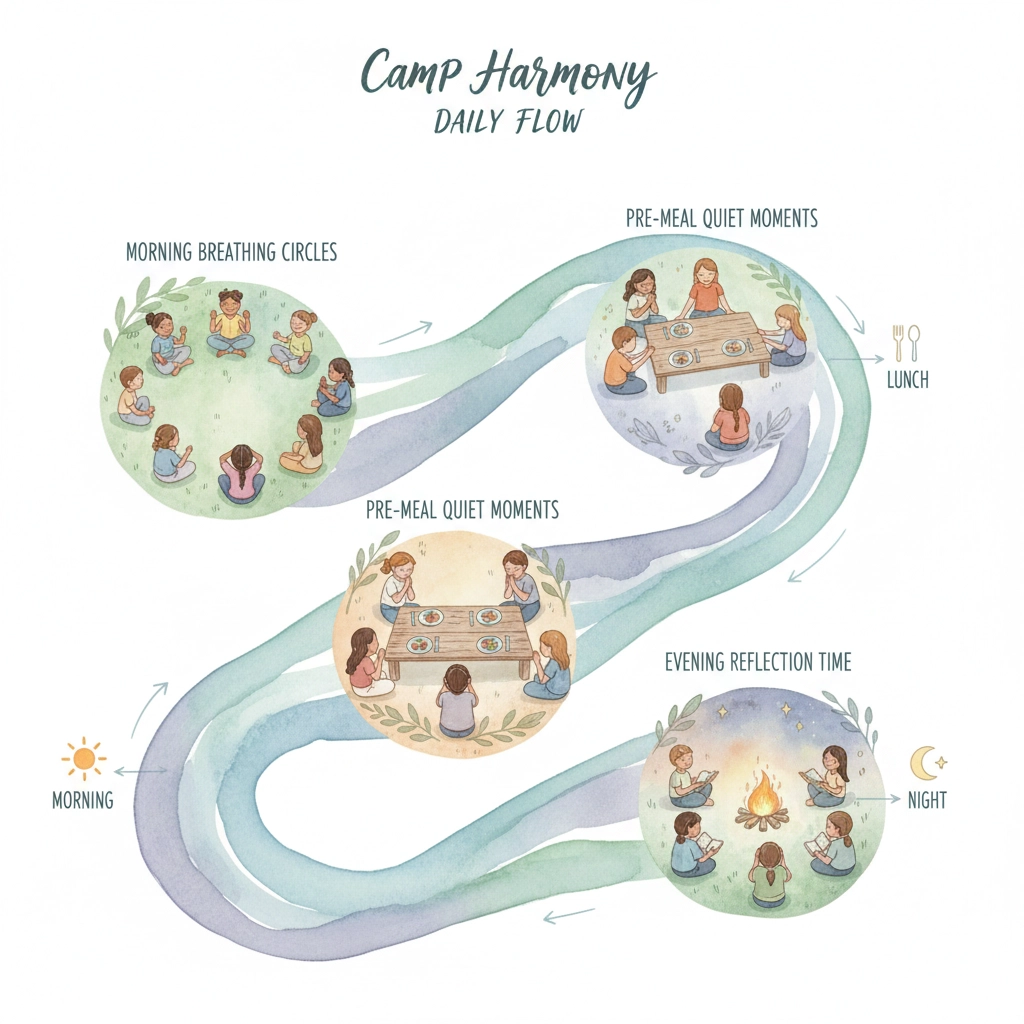
Build Regulation Into Daily Rhythms
The brain research is clear: brief, repeated practice beats one intensive workshop. Create what I call "reg-rep" moments throughout your camp day.
Try quiet start-of-period check-ins, 60-second guided breathing before meals, and a simple 3-part reflection at day's end (high, low, what did I learn?). This approach aligns with calls from researchers to design interventions around how brains actually develop habits.
Remember, camp's superpower is taking kids away from devices so their brains can grow through real-world problem-solving. These regulation moments are perfect opportunities to practice the independent thinking skills that technology can't teach.
Implement Trauma-Aware Practices
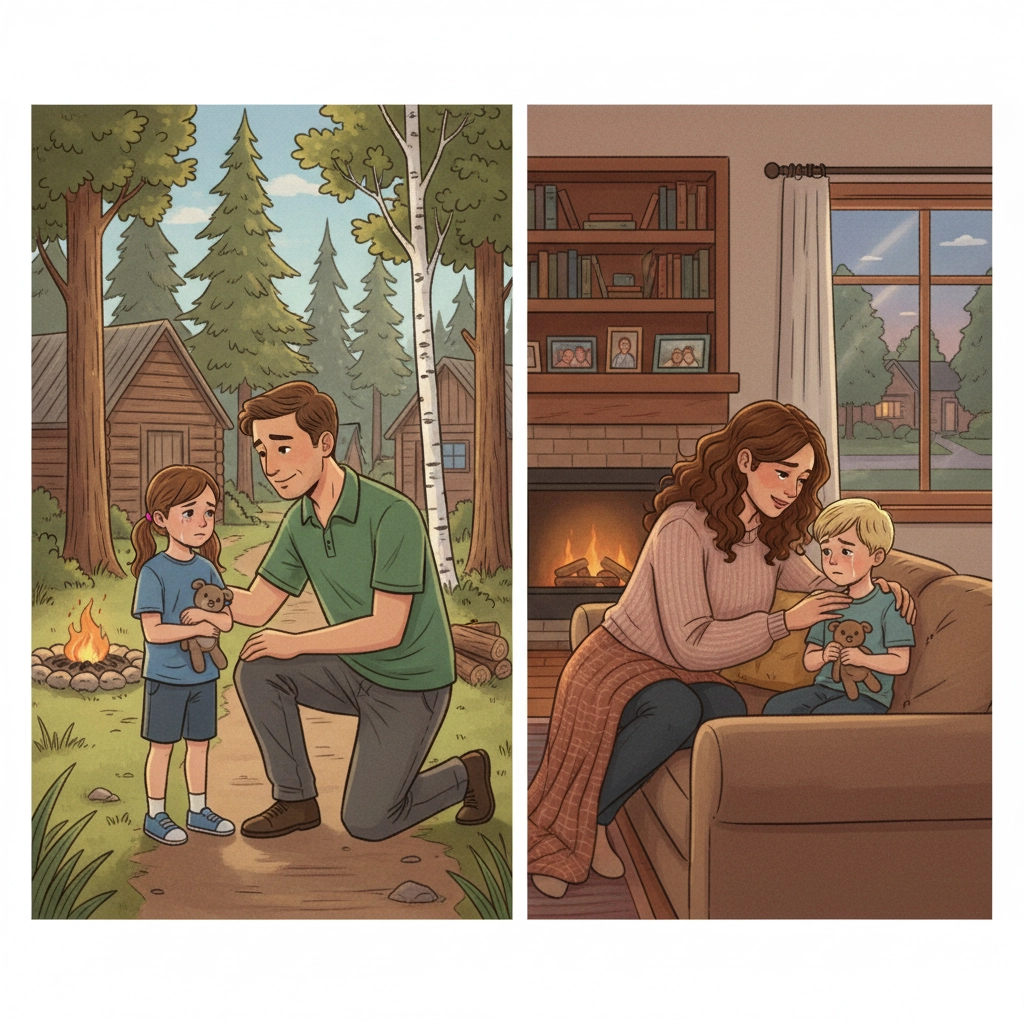
You're not running a clinic, but your staff can follow a simple "CARE" protocol: Calm yourself first, Acknowledge what you observe ("That looked scary"), Route to support (health center or lead counselor), and Expect delayed reactions.
Create a straightforward referral pathway and normalize help-seeking in staff huddles. The new adolescent screening data reminds us that trauma exposure affects a significant portion of young people.
Most importantly, train staff to avoid trauma-probing. No forced storytelling or detailed questioning about difficult experiences. Your role is to provide safety and connection, then route more complex needs to qualified professionals.
Connect Your Playbook to Parents
For day camps especially, extend your emotion-coaching strategies to families. Create short handouts or 60-second videos showing parents validation scripts: "I'm glad you told me... Let's breathe together... What's one thing we can try?"
The research on relationship-centered approaches like Child-Parent Psychotherapy shows these interventions have staying power. Remind families that how we respond to children's emotions literally shapes their developing brains.
Try These 5-Minute Upgrades Today
Staff Training Script: "Spot-Name-Normalize-Coach"
Give your counselors this framework for emotional moments: "I noticed your hands are clenched (spot). Looks like you're frustrated (name). That's normal when the game feels unfair (normalize). Let's breathe in for 4, out for 6, then plan our next play (coach)."
This script is grounded in the parenting-intervention evidence but translated for camp counselor moments.
Environmental Cues for Regulation
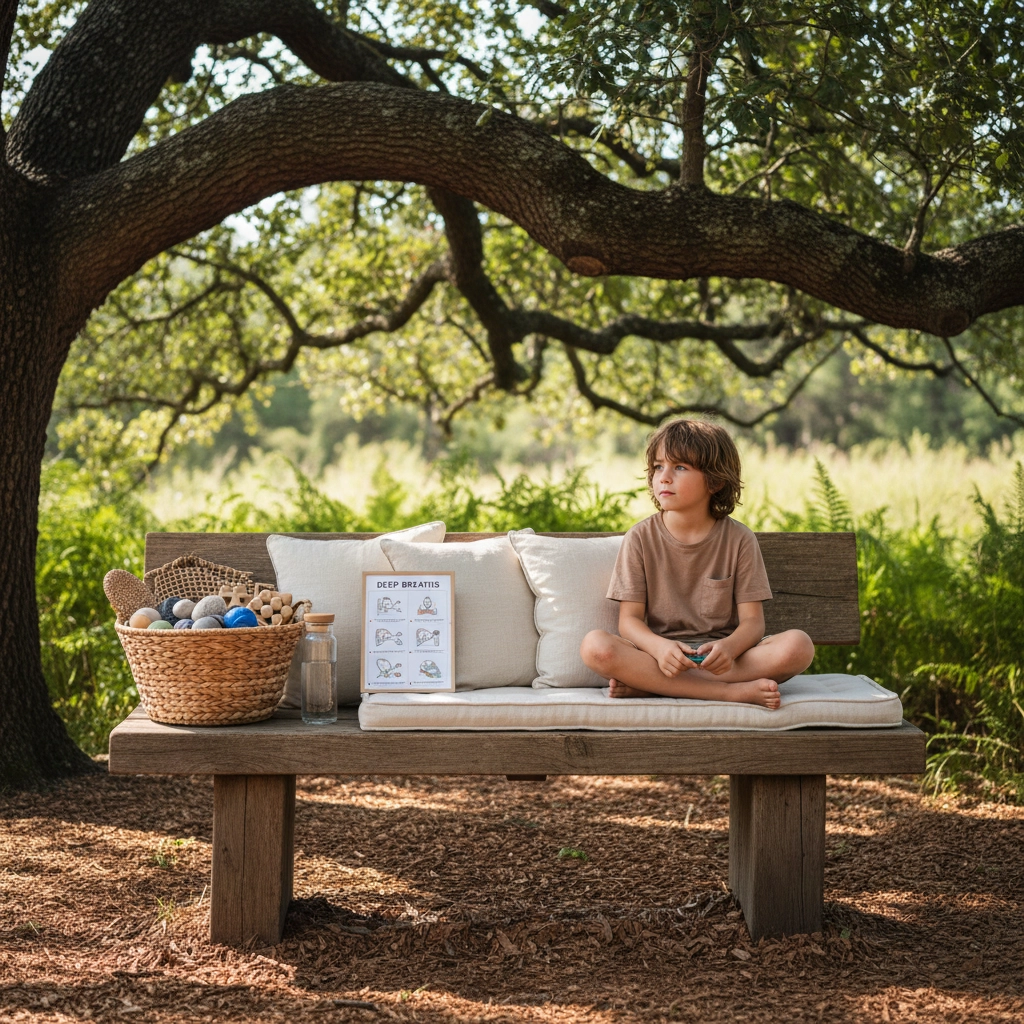
Place two calm-down stations per activity area, just shade, water, and a few fidget tools. Give each station a laminated "3-step reset" card with breathing exercises or grounding techniques.
Low-lift setup, high-return for giving kids concrete opportunities to practice emotion regulation skills.
One-Page Trauma-Aware Protocol
Create a simple standard operating procedure that defines immediate steps, identifies who's on call, and lists language to avoid (no forced storytelling). Review it at your next staff stand-up.
Clarity reduces anxiety for everyone when difficult situations arise.
Quick FAQ for Camp Leaders
"Isn't this therapy?" No: this is skillful supervision and mentorship. You're teaching basic regulation and connection skills, then routing higher-level needs to qualified clinicians. The research shows that everyday adults can make a meaningful difference in children's emotional development.
"Will this really stick?" The newest randomized controlled trial shows six-month gains tied to caregiver training. The Swedish study on early childhood therapy shows sustained benefits at six months for preschoolers. The key insight: consistency beats intensity. Daily practice of simple skills creates lasting change.
"What if staff feel overwhelmed by this responsibility?" Frame it as building on what great counselors already do naturally. Most caring adults instinctively want to help kids with big emotions: this training just makes them more effective at it. Emphasize that they're not expected to fix everything, just respond skillfully and know when to get help.
"How does this fit with our focus on independence and problem-solving?" Perfectly. Emotion regulation is a fundamental problem-solving skill. Kids who can manage their feelings are better equipped to think creatively, work with others, and persist through challenges. Camp's device-free environment is ideal for practicing these skills because kids can't retreat into screens when emotions get uncomfortable.

The Bottom Line
Your camp isn't just a place for fun activities: you're literally shaping developing brains. Every time your staff respond to a camper's emotional moment with skill and intention, they're contributing to healthier neural pathways for emotional regulation.
The research couldn't be clearer: how adults respond to children's feelings has measurable, lasting impact on brain development and mental health outcomes. In a world where kids face increasing anxiety and stress, camps that prioritize emotion coaching alongside traditional programming are offering something truly transformative.
What would it look like if your camp became known not just for great activities, but for developing emotionally resilient kids? The tools are simple, the training is straightforward, and the science is on your side.
The question isn't whether you can afford to invest in emotion coaching training for your staff. It's whether you can afford not to.
Follow @mattlovescamp on Instagram for daily insights, and join the community at ilove.camp to connect with fellow camp professionals advancing youth development through evidence-based practices.
Comments