


Summer Camp Daily Brief : Thursday, November 6, 2025: Why Camper Choice and Co-Creation Matter More Than Ever
- Matthew Kaufman

- Nov 6
- 4 min read
Story of the Day
Fresh research is giving us powerful validation for something many camp professionals already suspected: kids don't just need to participate: they need to co-create their experiences.
This week, Education Week reported new data from the National Institute on Out-of-School Time (NIOST) showing that children thrive most in environments that balance autonomy, collaboration, and challenge. The study found that when children help design parts of their own day: choosing activities, setting goals, or creating group projects: they report 23% higher enjoyment and 31% higher perceived belonging.
At the same time, the Child Mind Institute highlighted growing concerns about youth stress and perfectionism. Their experts recommend hands-on learning that encourages experimentation without fear of failure: exactly what camp environments naturally provide.
Those two findings together form a powerful message for camp professionals: children don't just need structured activities: they need genuine agency in shaping their own experiences.
Why It Matters for Camps
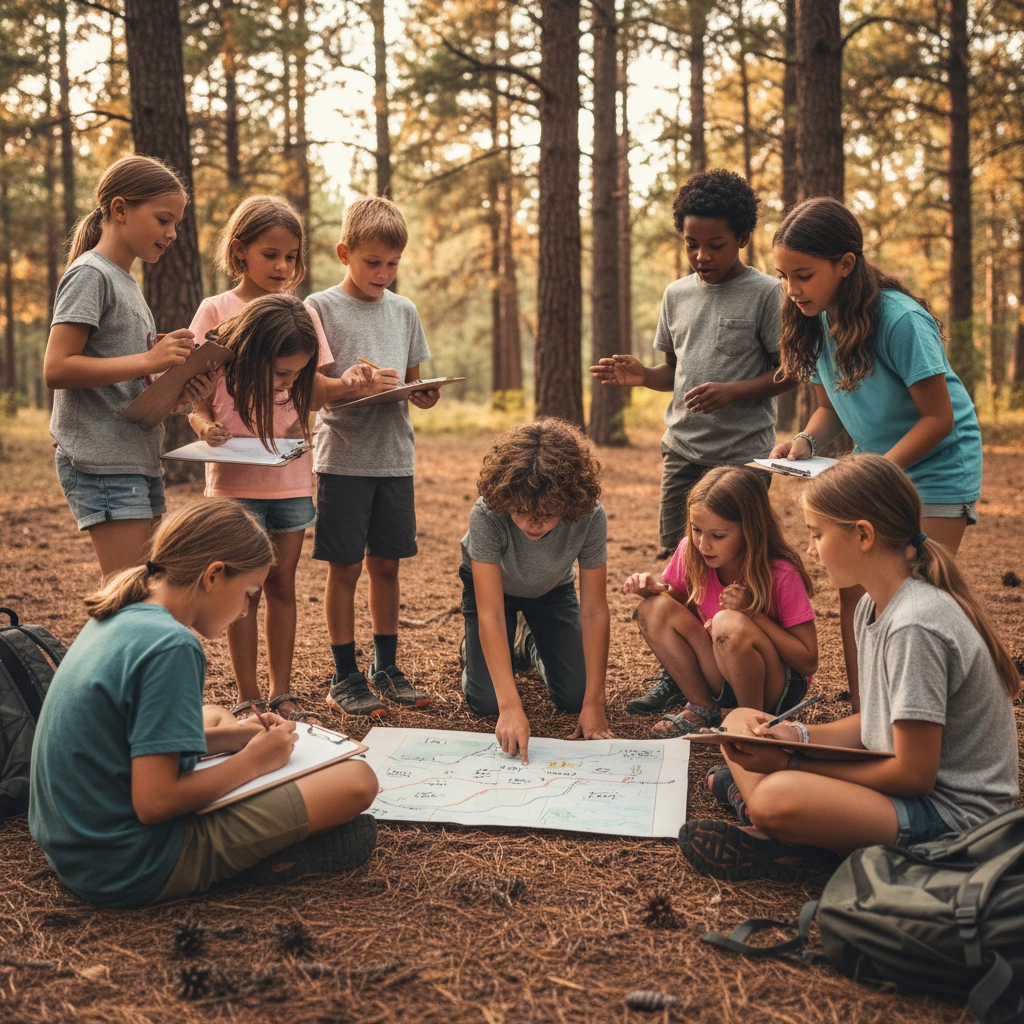
Every summer, we ask campers to step into new experiences. But think about it: the most memorable camp moments often happen when campers have some control. When they design a challenge, invent a game, help guide a ritual, or solve a problem that nobody saw coming.
The science backs up what we've been seeing. Autonomy strengthens motivation. Collaboration fuels social learning. And shared challenges deepen that sense of belonging that keeps kids coming back year after year.
Here's what's exciting: camps already do this better than most youth settings. We're natural laboratories for youth autonomy and problem-solving. But this research gives us reason to double down and be more intentional about it.
When campers feel ownership of their experiences, they develop stronger confidence and emotional resilience. More importantly, they learn not just how to follow directions, but how to make decisions, adapt when things don't go as planned, and collaborate effectively with others.
That's the kind of real-world problem-solving that builds brains and creates leaders.
Actionable Ideas You Can Start This Weekend
Create a "Camper-Led Hour" Once per week, flip the script entirely. Each cabin brainstorms an activity idea, submits a short plan, and leads it under staff supervision. It can be a tournament, art project, nature challenge, or something completely invented. The key? Campers are designing and facilitating, not just participating.
Add "Design Challenges" to Existing Programs Instead of simply playing a sport or doing a craft, ask: "How could we change one rule to make this more fun?" or "What would make this challenge fairer for everyone?" When kids learn design thinking through play, they're building creative problem-solving muscles they'll use forever.
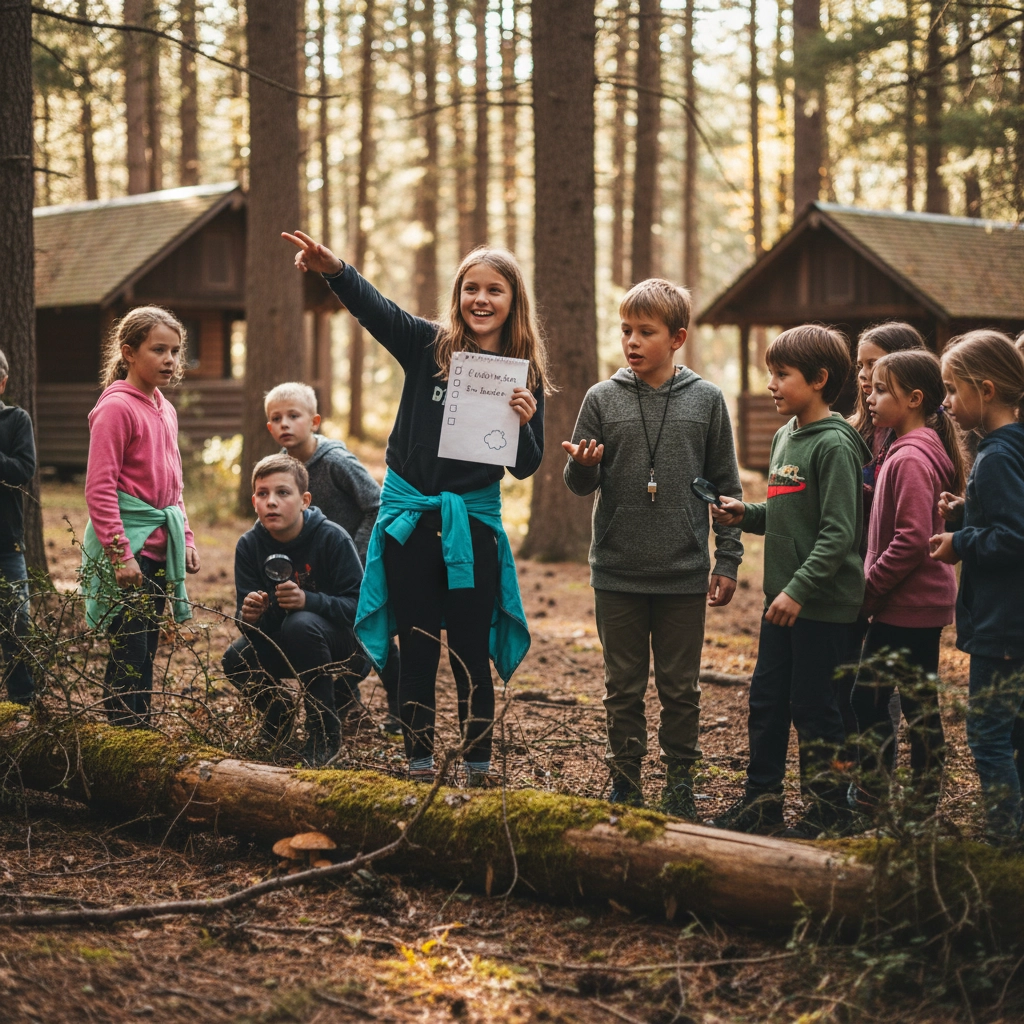
Introduce Weekly Reflection Circles At the end of each major activity day, invite cabins to reflect with prompts like, "When did you feel most included today?" or "What's one thing you learned that you'd like to teach someone else?" Reflection turns fun experiences into genuine learning and helps campers process their growth.
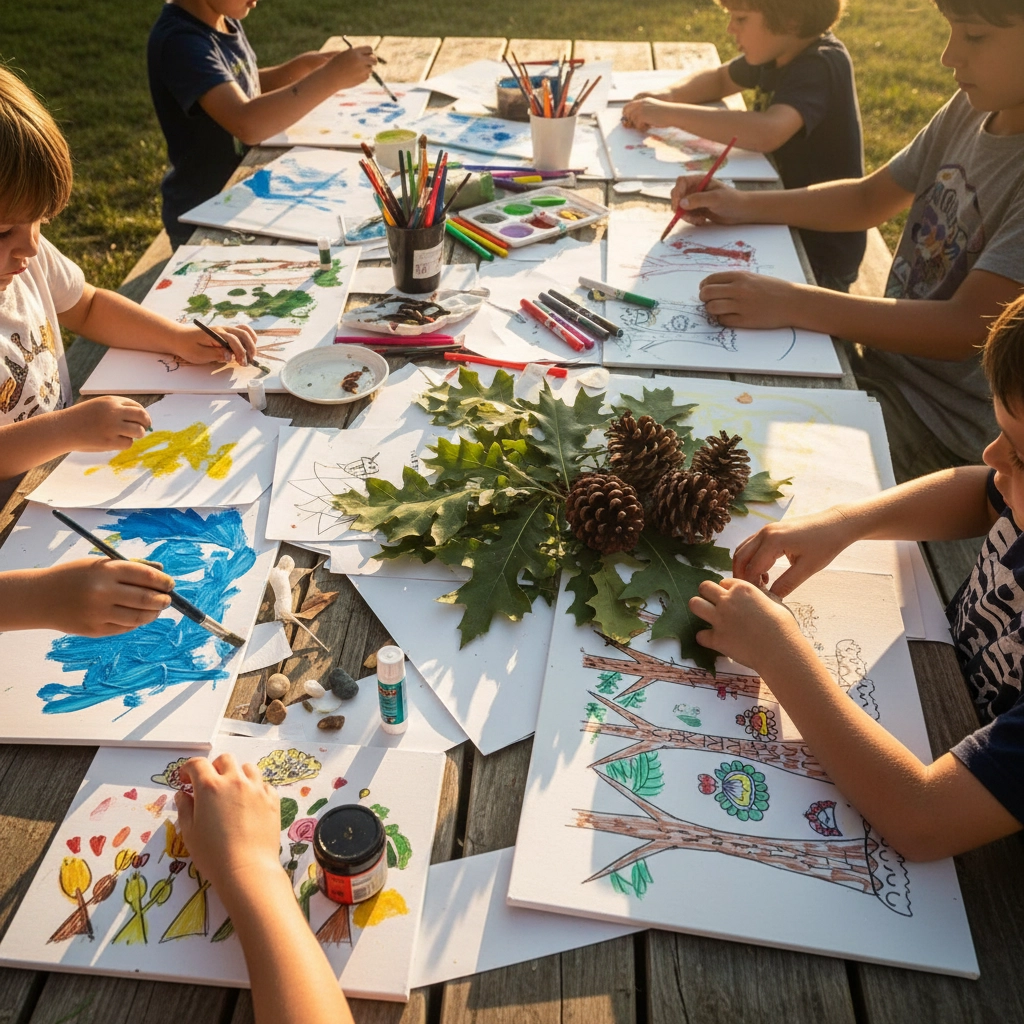
Lower the Stakes on Performance Here's where the Child Mind Institute research really hits home. Instead of celebrating perfection, praise creative risk-taking and effort. In art shows or campfires, highlight "most creative solution" or "best collaboration" instead of just "best project." When we reduce performance pressure, we increase creativity and confidence.
Connect Design to Belonging Let campers name new spaces, invent cabin cheers, redesign signs, or create new traditions. These small acts of ownership deepen pride and connection to the camp community. When kids help build the culture, they feel genuinely invested in it.
The Problem-Solving Connection
This isn't just about making camp more fun: though it absolutely does that. When we give campers choice and co-creation opportunities, we're teaching them to be fluent problem-solvers.
Think about it: a camper who learns to redesign a game when it's not working is practicing the same skills a future manager will use to pivot a failing project. A kid who helps resolve a cabin conflict is building emotional intelligence that will serve them in every relationship.
And here's the beautiful part: they're developing these skills away from devices, using their own creativity and interpersonal abilities to solve real problems in real time.
Quick Takeaways for Camp Leaders
Belonging grows when campers have a voice. Even small choices: like picking the cabin's cleanup song or choosing between two activity options: signal respect for campers' preferences and agency.
Giving choice doesn't create chaos: it builds engagement. Structure and freedom aren't opposites. The most successful programs provide clear frameworks within which campers can make meaningful decisions.
Reflection turns fun into growth. Without processing experiences, even great activities remain just entertainment. Regular reflection helps campers recognize their own development and problem-solving progress.
Lower pressure fuels higher creativity. When we celebrate effort and innovation over perfection, we create psychological safety that allows genuine risk-taking and learning.
Camp is already the ideal lab for youth autonomy: lean into it intentionally. We don't need to reinvent camp. We need to be more purposeful about the natural opportunities for choice, collaboration, and co-creation that summer programs provide.
Looking Forward
The research confirms what many of us have felt intuitively: kids thrive when they're partners in their own experiences, not just recipients of adult programming. As we plan for next summer, the question isn't whether to give campers more agency: it's how to do it thoughtfully and effectively.
The camps that embrace co-creation will be the ones that build the strongest communities, develop the most confident campers, and create the memories that last a lifetime.
What would you try first at your camp?
Want more insights on youth leadership and camp innovation? Follow along at ilove.camp and connect with me on Instagram (@MattLovesCamp) and LinkedIn for daily updates from the camp world.
Comments