


Summer Camp Daily Brief: Responding to Changing Expectations (November 28, 2025)
- Matthew Kaufman

- Nov 28
- 4 min read
This week brought a handful of headlines that should catch your attention as a camp professional. New reports show a widening gap between what kids need and what most youth programs deliver. Meanwhile, families are raising the bar for structured social experiences, outdoor time, and stress management support.
These trends aren't just interesting data points: they're shaping parent expectations and influencing how campers show up to your program. When you understand these signals now, you're preparing for the next few years, not just next summer.
Parents Want Stress Relief and Social Structure
A national youth wellbeing survey dropped yesterday with some eye-opening numbers. Parent concern about social anxiety in children jumped 26% this year. The report found that kids feel less confident in social spaces without clear structure, but they thrive in programs with group challenges, predictable routines, and supportive adult presence.
Sound familiar? This perfectly describes what you build every day at camp.
Kids feel safe when the structure is clear. They perform better when they know the daily rhythm. They trust staff when routines stay consistent. The survey noted that parents feel uncertain about creating these conditions on their own: they're actively looking for partners who can shape strong peer cultures.
Action steps you can take:
Strengthen your communication about how your schedule supports social wellbeing
Explain your staff's approach to anxious campers in parent materials
Highlight success stories from last summer in your marketing
Add training on predictable routines to your staff orientation
This connects directly to the science behind healthy brain development. When kids feel safe, oxytocin rises. When they anticipate progress, dopamine kicks in. Your program design speaks to these chemical patterns naturally.
Outdoor Programs See Continued Growth
The Outdoor Recreation Bureau published fresh participation numbers this morning. Youth participation in structured outdoor programs grew 9% over the past twelve months. Families want their children outside because they see clear links between nature time and emotional health.
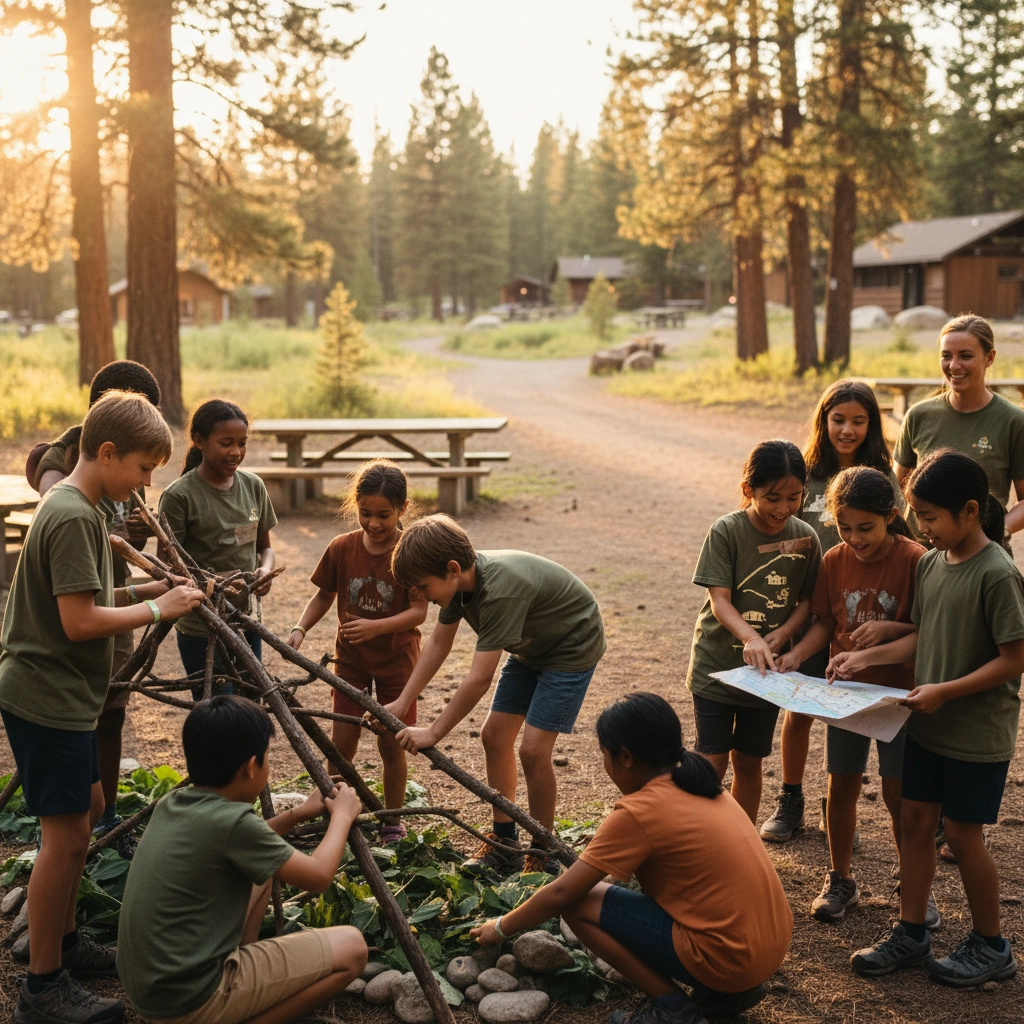
This trend favors camp in a big way. You deliver extended outdoor time at scale, build movement into every hour, and give kids shared work that lowers stress while building confidence.
The report highlighted three elements parents value most:
Frequent movement throughout the day
Meaningful time away from screens
Group-based challenges that feel achievable
These match your camp's core strengths perfectly.
Steps for your planning process:
Audit your program for outdoor time distribution across all activities
Expand activities that link movement to cooperative goals
Train staff on communicating the benefits of outdoor play to parents
Add clear program descriptions to your website explaining these outcomes
The research also showed that kids spending more time outdoors demonstrated stronger emotional regulation. This reinforces what you already know: movement supports learning and helps balance stress naturally.
Families Expect Faster Communication and Transparency
Here's where things get interesting. A new study on parent expectations found a sharp rise in demand for real-time updates from youth programs. Sixty-one percent of parents now expect near-instant communication about schedule changes, transportation updates, and activity details.
Parents track their daily lives through real-time apps. They expect a similar experience when their children join programs. This pressure will only grow as technology continues advancing.
You can respond to this trend practically:
Review your daily communication cadence
Standardize message formats across your team
Identify manual processes that could be streamlined
Train staff on communication expectations before summer begins
Safety transparency is also rising. Parents want to understand how decisions are made, what your protocols look like, and how you handle health concerns or behavioral issues. Clear, direct language builds trust here.
Technology Trends Shape Service Expectations
Tech companies released several updates this week that influence how families think about services in general. When families experience fast, easy digital tools daily, they expect quality and speed from everyone they interact with.
Three trends stand out:
Rapid growth in real-time mapping tools
Better automated messaging platforms
Stronger AI models for information sorting
These tools raise the communication standard for youth programs. Schools and aftercare programs are experimenting with automated attendance systems and real-time pickup notifications, bringing parents to expect similar clarity from summer camps.
You don't need to adopt every new tool, but watch how they influence expectations. Your goal isn't to mirror consumer technology: it's helping parents understand your systems clearly.
Practical Steps for Camp Leaders
Several clear trends are forming across youth development:
Rising parent concern about anxiety
Increased interest in outdoor time
Demand for immediate communication
Stronger expectations for transparency
Growth in tools shaping service quality expectations
These trends align with camp's core strengths: structured community, extended outdoor time, peer challenges, and daily rituals. Your teams already know how to manage group dynamics and help kids feel confident.
Focus your forward planning on four areas:
Program Clarity: Review each activity through a movement and choice lens. Add structured autonomy opportunities throughout the day.
Staff Training: Prepare your team to explain program benefits clearly. Train them on predictable response patterns during stressful moments.
Communication Systems: Streamline your update processes. Create templates for common situations.
Parent Education: Help families understand how camp experiences translate to school-year success.
Future-Proofing Your Program
You don't need massive investments to move forward effectively. Focus on consistent steps that emphasize structure, clarity, and intentional design.
Parents want partners who understand childhood development. They want programs creating strong communities and experiences that help kids grow. When you respond to these signals with thoughtful planning, you strengthen your camp while helping families feel confident in their choice.
The gap between what kids need and what most programs deliver is widening. But camps like yours are positioned perfectly to lead this shift. You already offer structured social experiences, meaningful outdoor time, and stress management support through community building.
Small improvements in communication, program clarity, and staff training can significantly increase your program's strength and help kids develop skills that last well beyond summer.
Want more insights on youth leadership and camp innovation? Follow along at www.ilove.camp and connect with me on Instagram (@MattLovesCamp) and LinkedIn for daily updates from the camp world.
Comments