


Summer Camp Daily Brief: 2026 Youth Program Trends and Steps for Camp Leaders (Friday, December 5, 2025)
- Matthew Kaufman

- 5 days ago
- 4 min read
This week brought clear signals about where youth programs need to focus in 2026. Tech leaders pushed new rules for safety in online spaces. Researchers published new data on loneliness and screen fatigue in teenagers. State governments continued to expand funding for workforce development. Each of these headlines points to shifts that will shape how you plan programs, train staff, and support families.
Trend 1: Federal Pressure on Social Platforms
The White House, along with senators from both parties, pressed social media companies to adopt stricter safety interventions for minors. The discussion focused on age verification, tighter data practices, and parent controls. The Senate report linked heavy digital exposure to rising anxiety levels in children and noted long-term sleep disruption in kids under 14 who use devices after 8 PM.
You already see the downstream effects. Parents want off-screen environments where their children can reset. Camps provide the safest and most structured version of that. The trend toward tighter regulation will increase parental demand for programs that support healthy behavior.
Steps for you:
Strengthen messaging that your program helps children take a break from digital stress
Train staff to discuss healthy tech habits with parents
Build short lessons for staff on sleep, digital overload, and stress recovery science
Add more social connection rituals to help kids settle faster during the first few days
Research points to two measurable outcomes after structured tech breaks. Kids show lower cortisol within 48 hours, and group belonging increases after 72 hours of daily shared activity. Camps already create these conditions. Increased pressure on tech platforms makes your program even more relevant.
Trend 2: New Research on Teen Loneliness
This week the Journal of Adolescent Health published a multi-year study tracking more than 12,000 middle and high school students across five countries. The main finding: teen loneliness spikes during transitions when social support is inconsistent. These transitions include moving to new schools, shifting peer groups, or losing structured community during seasonal breaks.
Boys showed stronger responses to loss of structured peer activity. Girls showed stronger responses to inconsistent social feedback. Both groups benefited from predictable routines and stable communities.
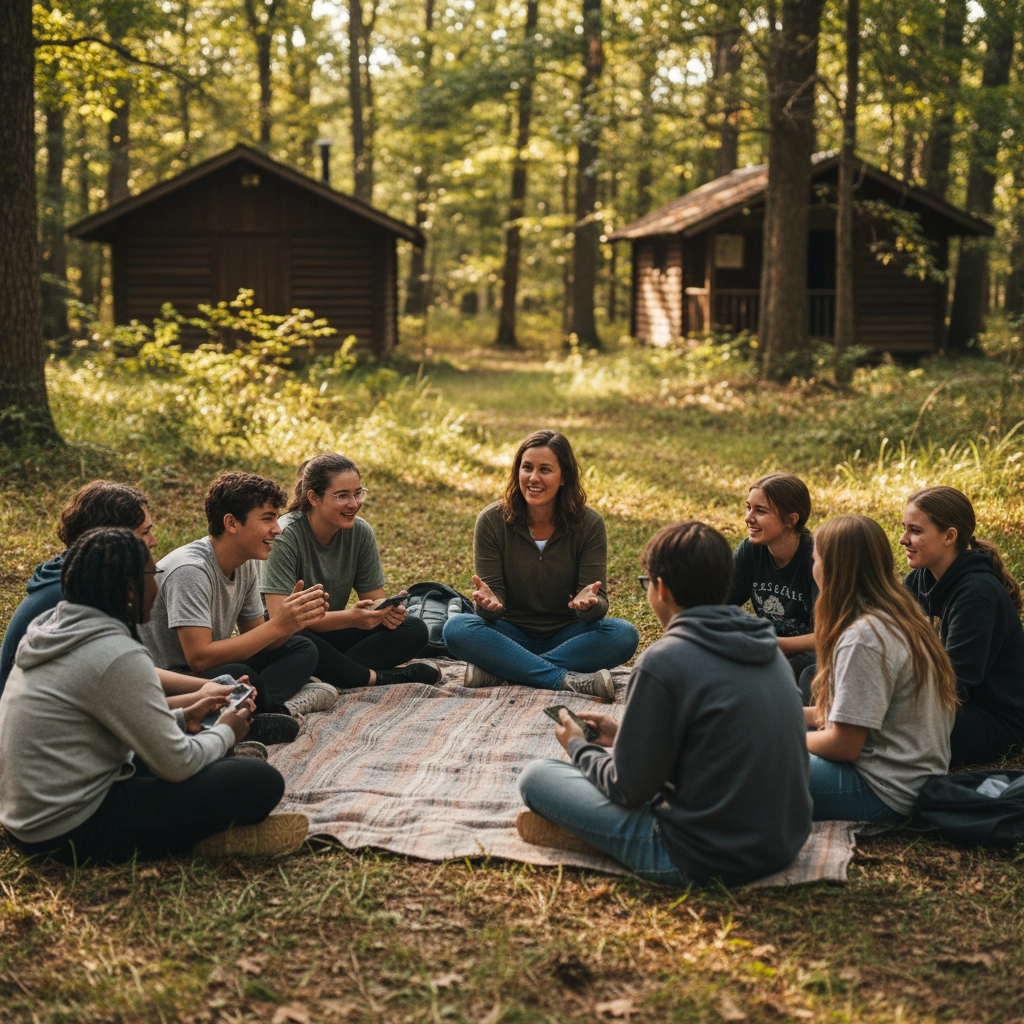
This matches decades of camp outcomes. When groups stay together, share rituals, and move through daily challenges, social stress decreases. You build this by design through bunks, divisions, and daily schedules.
Steps for you:
Audit your session structures for friction points during the first 48 hours
Add high-frequency team rituals for each group on days one and two
Train staff to use clear, consistent language when giving feedback to teens
Create structured peer-support moments during the first week through debrief circles and partner tasks
Add research-backed talking points to parent materials
The study noted that belonging scores increased most when kids shared daily movement-based tasks. Physical movement lowers anxiety and helps kids form faster relationships. Camps remain one of the few environments where daily movement is built into the core program.
Trend 3: Workforce Development Pressures
Seven states released updated youth workforce plans this week. Several included direct references to the value of experiential learning. Governors in New York, New Jersey, and Pennsylvania highlighted high school work programs, early leadership training, and summer job pipelines.
Camps employ more teens and young adults than most industries. You are already a large-scale training ground for communication, decision-making, and crisis response. As state policies grow, you will see increased attention on how employers measure skill growth.
Steps for you:
Build simple competency frameworks focusing on communication, problem solving, teamwork, and responsibility
Align these with your hiring and training materials
Give staff written proof of skill development at summer's end
Track staff growth through mid-season check-ins rather than one large evaluation
Follow state workforce announcements for potential funding or partnerships
The strongest programs show clear growth metrics. This also helps you recruit. Gen Z applicants respond to jobs that offer real skill development. When you document growth, you signal that your staff experience supports their future.
What This Means for the Next Five Years
Theme 1: Families Want Structured, Healthy Social Environments The tech policy shift and loneliness data both point to one thing. Parents want programs that protect their children from digital overload and social stress. Camps provide daily rituals, stable peer groups, and clear expectations. These conditions support healthy brain chemistry and help kids build lasting friendships.
Theme 2: Camps as Public Workforce Pipeline Government interest in early job training will expand. You hold a strong position here. You teach staff to lead groups, manage conflict, solve problems, and perform under pressure. Document these skills. Show parents and applicants how your program prepares young adults for jobs in education, healthcare, hospitality, and tech.
Theme 3: Wellbeing Defines Program Value Mental health rates continue shifting. Schools report rising anxiety among preteens and teens. Camps will serve as seasonal wellbeing resets. This means more staff training in emotional support, group management, and structured reflection.
Action Steps for the Next 60 Days
Update parent communication to reflect research on digital stress
Add a short training module on teen loneliness for staff leaders
Run a schedule review ensuring the first two days include belonging-building rituals
Strengthen your staff competency framework before hiring season
Track news from your state workforce office for fast-moving opportunities
Build a simple wellbeing protocol including intake questions and daily check-ins
You can use these trends to guide strategic decisions for 2026. Families want community. Teens need stable groups. Staff want documented growth. Camps are positioned to meet all three needs while building the problem-solving skills and interpersonal abilities that serve young people throughout their lives.
Want more insights on youth leadership and camp innovation? Follow along at www.ilove.camp and connect with me on Instagram (@MattLovesCamp) and LinkedIn for daily updates from the camp world.
Comments