


Summer Camp Daily Brief – November 21, 2025: Headlines and Action Steps for Camps
- Matthew Kaufman

- Nov 21
- 4 min read
Today's post tracks several news items from the past week and connects them to the long-term direction of the summer camp industry. The goal is to help you think about next steps for your program, your staff, your systems, and your families.
A few stories in education, youth mental health, and workforce technology point to clear shifts you should prepare for.
Youth Mental Health Trends
A new CDC report released this week shows a small but steady rise in anxiety among children ages 10 to 17. The report highlights two issues you should track:
• Schools face larger counseling backlogs • Families report more concern about peer stress and performance pressure
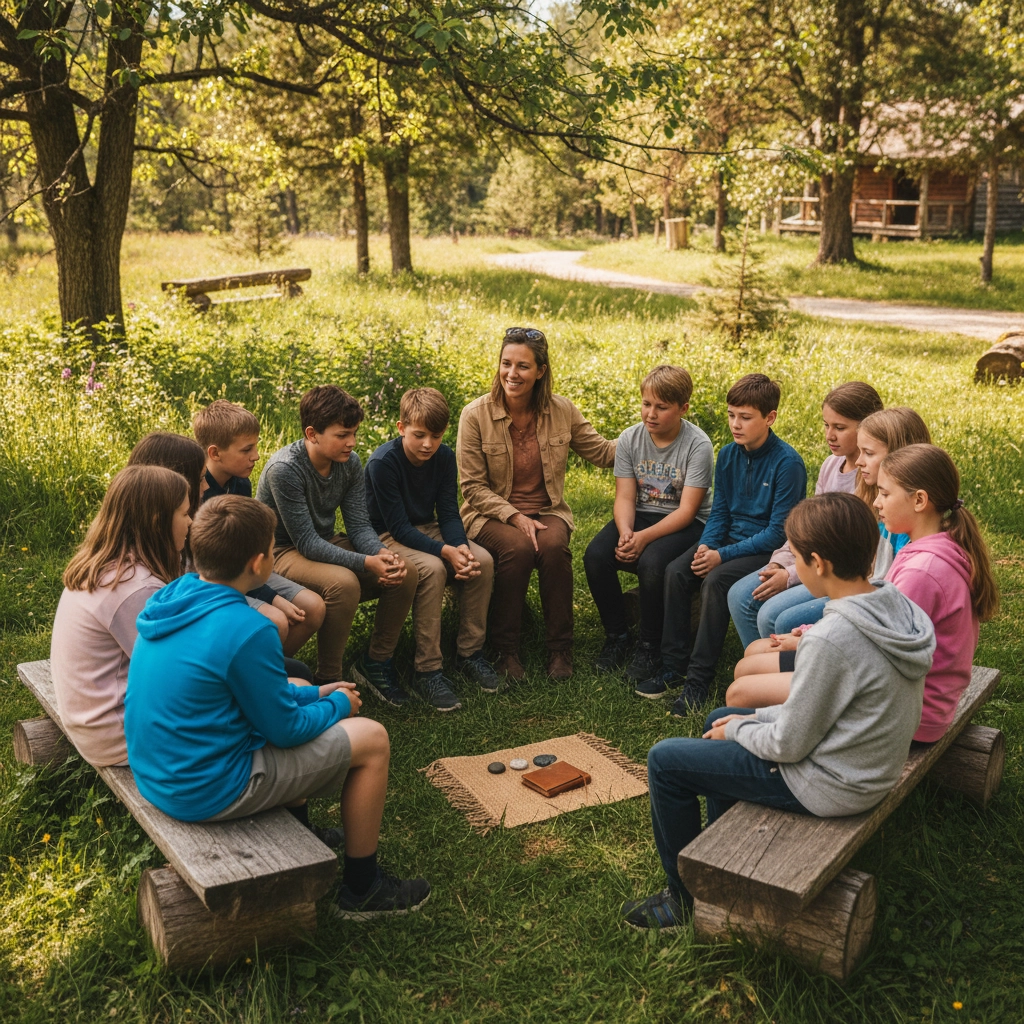
You run a program that supports movement, teamwork, and connection. These conditions reduce cortisol and help children feel safe. This is a strong message for parents who follow news about rising anxiety. Your communication should focus on outcomes parents understand. More movement. More friendships. More routine. More positive stress.
You should offer training that improves staff skills in group management techniques. The research shows that adults who manage transitions well give children stronger emotional regulation. If your staff do not practice this, they struggle to support children who feel overwhelmed. A simple change is an early summer workshop on how to start and end activities with clarity. That lowers stress for everyone.
You should also prepare short, parent-friendly summaries of how camp routines help regulate emotion. Share these before the season. Families read these reports and look for programs that respond with clear plans.
Shorter Attention Spans and Structure
A report from Common Sense Media notes sharp increases in short-form video use among children and teens. The study found that average daily consumption increased nine percent this year. This affects how groups behave during long instructions or slow activities.
You should shorten instructions where possible. You should place movement early in each period. You should design rotations that limit idle time. This is not about matching technology. This is about matching attention patterns shaped by technology.
A practical step is to break long instructions into two parts. Offer a quick start. Let them move. Add details once they feel engaged. Staff who follow this sequence see fewer behavior issues.
The Shift to Skills-Based Hiring
LinkedIn published a workforce report that shows strong adoption of skills-based hiring across many industries. Employers focus on adaptability, communication, group problem solving, and leadership. These trends support your staff recruitment strategy because camp experience develops these traits faster than most early jobs.
You should highlight the skills your staff gain, not the tasks they complete. Employers hire people who manage groups, speak clearly, handle stress, and adapt to new situations. Your staff do these things every day.
You should build a simple end-of-summer reference packet. Include short descriptions of each skill with examples linked to camp roles. Your returning staff will feel supported. Your new staff will see more value in working for you.
Rising Costs and Program Design
Multiple news outlets continue to track inflation. Food, transportation, and insurance remain high. Camps that plan ahead avoid reactive cuts. Camps that do not plan reduce quality in ways families feel.
You should review your program through a cost lens: • Identify activities with high supply waste • Track transportation patterns that raise fuel use • Study insurance claims from past years
This information helps you design programs with strong outcomes and lower waste. For example, many camps shift toward larger group activities that require fewer consumable supplies. Others track transportation timing with simple GPS data to reduce idle time.
AI and Operational Systems
Technology news continues to highlight rapid progress in low-cost AI agents and workflow tools. These tools manage calendar reminders, email routing, and document processing.
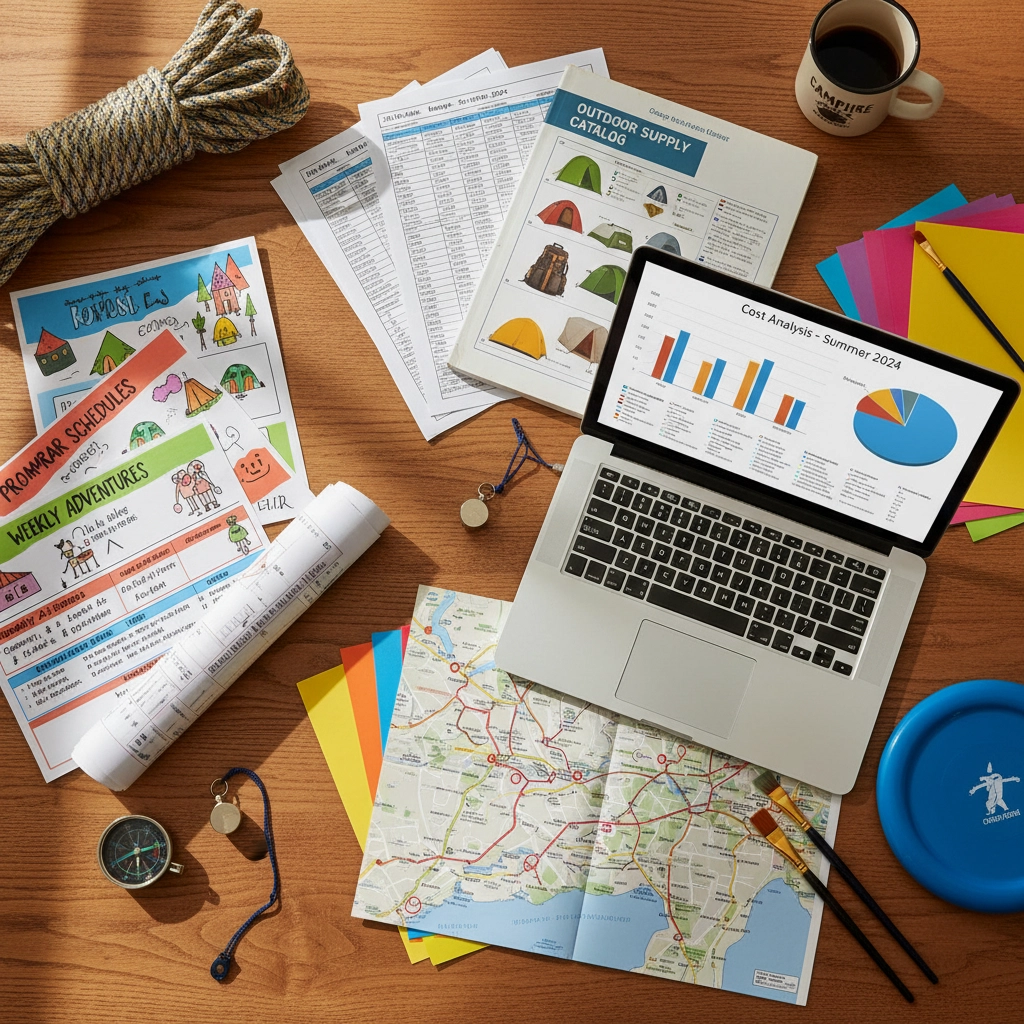
This trend is important for camp because you deal with large amounts of data during short timeframes. Intake forms. Medical notes. Transportation changes. Attendance. Staff issues. Cabin placements. You should look at low-cost tools that support behind-the-scenes work. These tools help your office manage more tasks with fewer delays.
A few tasks fit the trend: • Email routing for transportation or medical updates • Automatic document sorting from parent submissions • Simple reminders for staff training and clearances
AI does not replace human care. It reduces mistakes and frees time for personal connection. Camps that adopt simple systems now build stronger operations for the next decade.
Reflection as a Daily Practice
A new education study from Stanford reports strong outcomes from five-minute daily reflection routines in classrooms. Students who paused to review the day felt stronger belonging and produced better academic work.
Your campers and staff gain similar benefits. A short end-of-day reflection lowers anxiety and raises serotonin. You should teach staff to close each day with two questions: • What worked today • What felt hard
Groups that do this end the day with more stability. Staff understand their campers faster. You learn more about minor issues before they become large issues.
Climate and Outdoor Programming
News from NOAA projects another warm summer with higher chances of heat advisories in the Northeast. You should prepare for flexible scheduling, water access, and rest breaks.
You can prepare by: • Building shade structures in high-traffic areas • Expanding water stations at fields and courts • Designing morning plans for your highest energy activities
Children respond better when movement stays balanced across the day. Heat safety is health safety. Make sure your staff follow clear hydration and shade routines.
Looking Ahead
The news points to a clear direction. Children face more anxiety. Families need support. Staff enter a workforce that values the skills you teach. Technology shifts the way you run your office. Climate shapes your program design.
You serve families who look for structure and community. You build a setting that keeps children active, connected, and supported. Staying ahead of trends helps you protect those outcomes.
If you adjust your staff training, your daily structure, your communication, and your systems, you give your community a stronger summer. This is the work that builds trust. This is the work that brings families back.
Want more insights on youth leadership and camp innovation? Follow along at www.ilove.camp and connect with me on Instagram (@MattLovesCamp) and LinkedIn for daily updates from the camp world.
Comments