


Summer Camp Daily Brief – November 20, 2025: New Trends in Youth Activity, Belonging, and Program Design
- Matthew Kaufman

- Nov 20
- 5 min read
A fresh wave of research on youth behavior, outdoor activity, and social connection hit the headlines this week, offering camp directors clear guidance for next summer's program planning. Three major themes emerged across multiple studies: youth activity levels are climbing after several sluggish years, parents show stronger interest in structured outdoor programs, and social belonging remains the top priority for families choosing summer experiences.
These findings align perfectly with what many camp professionals already know, but they also highlight specific adjustments you can make to strengthen your program design. Let's break down what this week's research means for your daily operations.
Rising Outdoor Activity Levels Shape Daily Schedules
Yesterday's national parks usage report revealed a steady increase in youth participation across outdoor activities in school districts and community programs. The key insight? Young people engage more deeply when outdoor experiences combine movement with simple challenges. This puts camps in an enviable position, you're already leading in this space.
Parents have definitely noticed. A separate survey from a youth wellness nonprofit found that families actively seek programs with consistent outdoor time. They want more than basic recreation. They're looking for experiences that support mental health and physical growth, recognizing that outdoor movement connects directly to higher focus and lower stress levels.
You can capitalize on this trend by reviewing your daily schedules and cutting unnecessary indoor time. Camps with frequent outdoor transitions report higher camper energy and fewer behavior issues. Outdoor settings naturally support free play and offer the sensory variety that traditional classroom environments struggle to create.
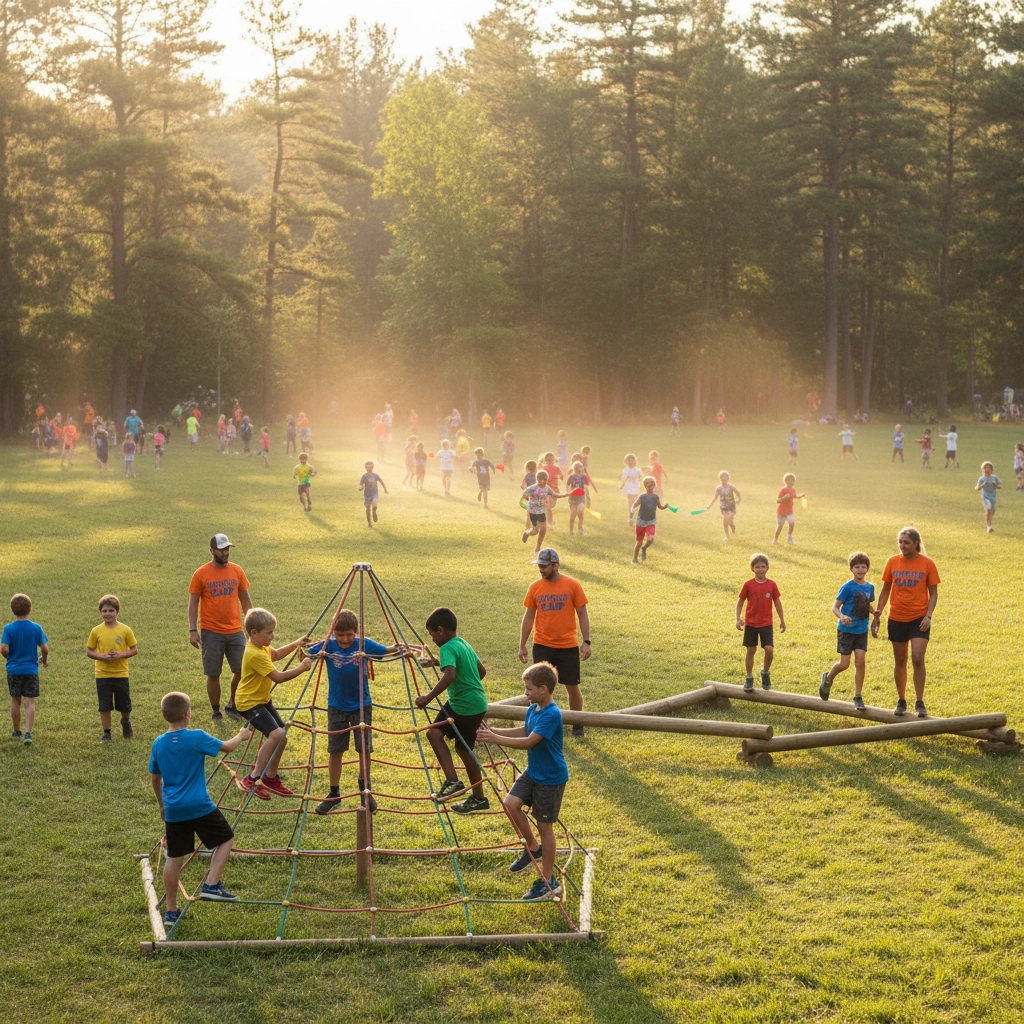
Here's what you can implement right now:
Extend outdoor block lengths when weather cooperates
Add simple outdoor stations to eliminate idle time
Use shade structures or tents to handle midday heat effectively
Encourage counselors to kick off each period with movement
Small adjustments create big impacts. The newest CDC youth activity data showed significantly higher satisfaction in programs where outdoor time stays predictable and substantial.
Social Belonging Drives Program Success
This week's social development study from a major university found higher well-being among children participating in structured group challenges. Researchers noted stronger social confidence when youth solve problems together as teams. This is where camps truly excel, you design daily tasks that require teamwork, shared goals, and real communication.
Parents continue ranking social growth above all other outcomes. The latest Common Sense Media report confirmed that parents prioritize community and belonging over skill development. They want programs where children form genuine friendships, settle into supportive groups, and feel valued by caring adults.
Your approach to cabin or group structure directly influences these outcomes. Groups that maintain stability develop trust faster. Counselors learn individual personalities. Campers feel truly seen. This foundation supports mental health and reduces conflict throughout sessions.
Strengthen belonging through these practical steps:
Simple icebreakers during the first week
Daily rituals that reinforce group identity
Consistent group roles during activities
Shared goals or projects each week
These strategies match the university study's findings perfectly. Group rituals support social bonding. Team challenges promote leadership and cooperation. Shared goals build authentic unity among campers.
Attention and Program Rhythm Need Fine-Tuning
Recent education research highlighted shorter attention spans during unstructured periods, with youth organizations reporting stronger engagement when transitions include clear direction. Camps already build rhythm into daily routines, which protects attention and reduces stress for everyone involved.
But this week's research suggests transitions deserve more emphasis. Programs with predictable transitions experienced fewer behavior issues and maintained stronger focus during activities. This matches camp experience, counselors who prepare for transitions reduce lag time, campers shift activities faster, and energy stays positive throughout the day.
You can reinforce effective transitions through:
Pre-transition huddles with counselor teams
Clear visual or verbal movement cues
Brief instructions at each period's start
Practice runs during staff orientation week
Small rhythm changes strengthen the entire camper experience. The research emphasizes structure's value without controlling every moment. You balance predictability with freedom through consistent movement patterns and open-ended play once groups settle into activities.
Mental Health Insights Guide Program Adjustments
Youth mental health trends continue shaping decisions across school districts and recreation programs. A new hospital network report showed increased anxiety levels among elementary and middle school students during unstructured online time. The data confirms that social, in-person settings reduce anxiety faster than digital interventions.
Camps already serve as a powerful antidote to digital overload. You create in-person experiences with strong community norms where campers focus on peers, projects, and shared challenges. This naturally lowers stress while supporting crucial social learning.
The report offered an additional insight: children respond positively to clear routines and predictable expectations. Anxiety drops when children understand what comes next. You address this need through visual schedules, simple instructions, and consistent counselor behavior.
Support mental health through these adjustments:
Predictable morning routines that ease daily transitions
Slow, calm starts to each day
Clear communication before activity changes
Designated quiet spaces for short breaks when needed
These modifications align directly with this week's research findings. Families increasingly trust programs that understand and address these developmental needs.
Parent Expectations Guide Design Decisions
A new national research poll identified three priorities parents place above all others when selecting summer programs: belonging, outdoor time, and positive role models. You address these priorities through intentional daily program design where staff placement, group size, and activity selection all matter significantly.
Parents in the poll reported higher trust in programs featuring caring adults who form stable relationships with children. You reinforce this through counselor assignments that remain consistent throughout full sessions, plus experienced counselor placement in early sessions where younger campers need additional guidance.
Outdoor time remains a major selling point. The poll showed stronger interest in programs offering swimming, hiking, and open-ended outdoor play. Parents want their children spending substantial time outside, not just brief periods between indoor activities.
Next Summer's Action Steps
This week's research points toward several concrete action steps for strengthening your program design:
Increase outdoor time across all age groups
Build stronger group rituals and shared weekly goals
Develop staff training focused on smooth transitions
Create predictable, calming morning routines
Add simple physical challenges to activity openings
Maintain stable groups to support trust building
Highlight social growth in family communication
These choices align with current research and evolving parent preferences. Youth activity levels are rising while digital time increases stress. Parents actively seek strong community experiences. Camps meet these needs through intentional program design rooted in movement, connection, and predictable rhythm.
You influence positive outcomes every time you adjust a schedule or guide a counselor interaction. This week's reports confirm your essential role in shaping experiences that matter deeply to families and child development experts. Camps remain among the strongest environments for social learning, outdoor engagement, and genuine community building. Your thoughtful program design choices keep these vital strengths alive and thriving.
Want more insights on youth leadership and camp innovation? Follow along at www.ilove.camp and connect with me on Instagram (@MattLovesCamp) and LinkedIn for daily updates from the camp world.
Comments