


Summer Camp Daily Brief : November 14, 2025: Headlines, Trends & The Road Ahead
- Matthew Kaufman

- Nov 14
- 3 min read
Good morning, camp professionals! As we move deeper into November's planning season, let's dive into what's shaping our industry today and where we're headed next.
Today's Headlines Making Waves
Market Growth Hits 7.5% Annual Rate
The numbers don't lie: our industry is booming. With a global market size reaching $26.5 billion in 2025, summer camps are no longer just a "nice-to-have" for families. We've become essential infrastructure for working parents and child development.
Premium Pricing Finds Its Sweet Spot
Here's something interesting: 25% of parents are now planning to spend over $2,000 per child on summer camps this year. This isn't about camps getting greedy: it's about families recognizing the true value of quality programming and skill development.
Industry Trends We're Watching
The Problem-Solving Revolution
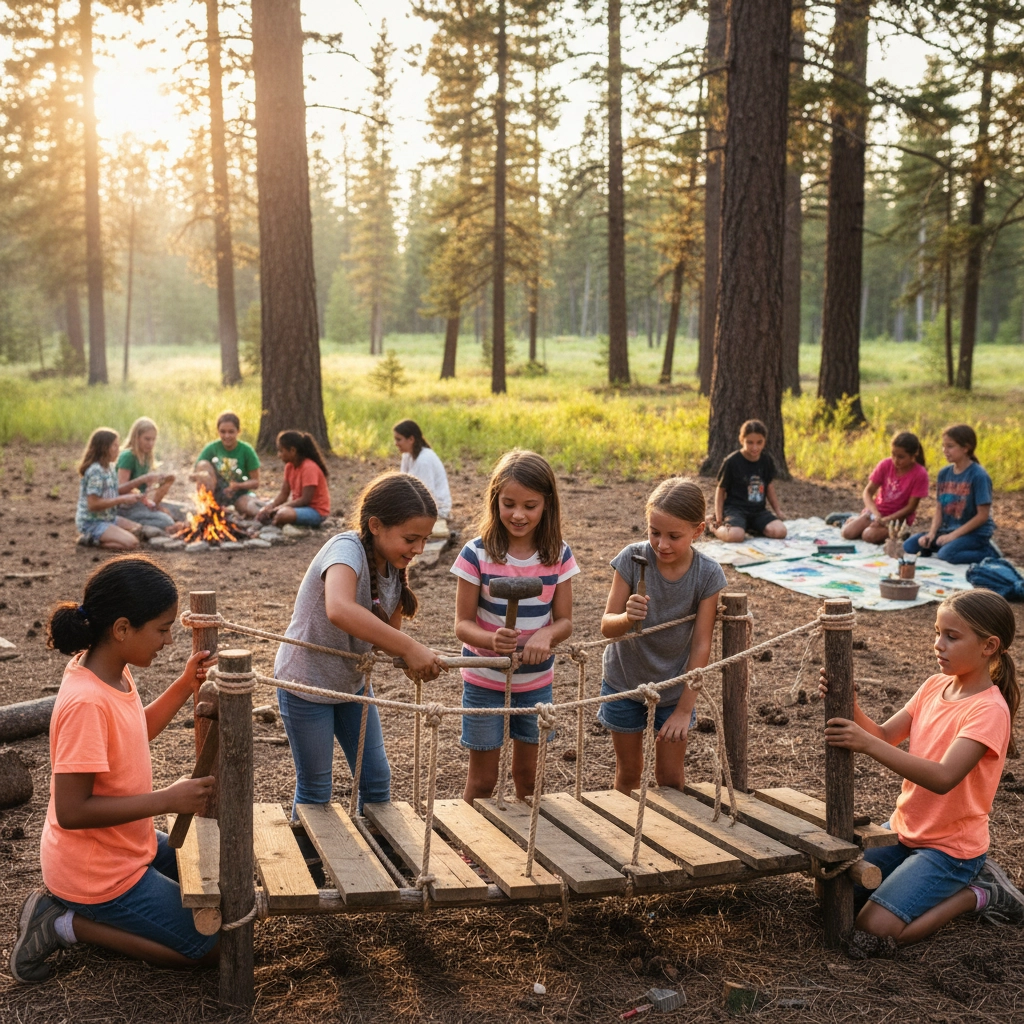
Remember when camp was just about fun activities? Those days are evolving. Today's parents are looking for programs that build real problem-solving skills. They want their kids practicing time management, creativity, and interpersonal skills in a natural setting.
This shift makes perfect sense when you think about it. Camp has always been the perfect laboratory for developing independent thinking. Whether it's figuring out how to start a campfire, resolving a cabin conflict, or planning a group activity, camp naturally creates those "aha" moments where kids learn to think on their feet.
Technology Integration Done Right
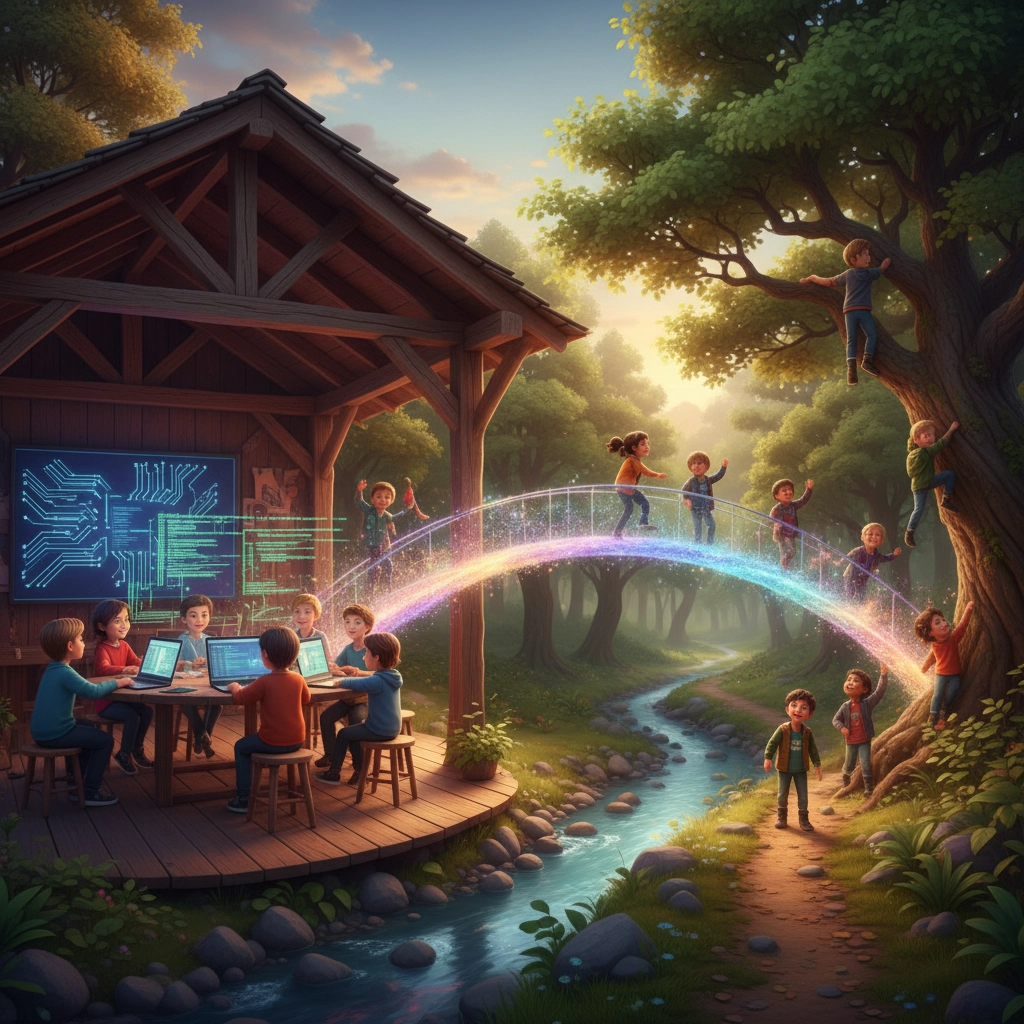
The tech conversation in camps is getting more nuanced. It's not about being pro-tech or anti-tech anymore: it's about being smart about it. Camps are introducing coding workshops and robotics programs while maintaining strong boundaries around screen-free time.
Why does this balance matter? Because kids need to be fluent in new technology AND develop independent problem-solving skills for effective tech use. When they step away from devices at camp, their brains get the space they need to grow into better problem solvers.
Child-Led Programming Takes Center Stage
Generic programming is becoming a thing of the past. Camps are offering specialized tracks in performing arts, STEM, and adventure sports because they've learned something important: when kids get to follow their interests, they engage more deeply and develop stronger skills.
This personalization trend isn't just about keeping campers happy: it's about maximizing their growth potential. A kid passionate about theater will develop confidence, public speaking skills, and creative thinking through drama activities in ways they might not through traditional sports.
Regional Spotlight: What We're Seeing Nationally
Sustainability Gets Strategic
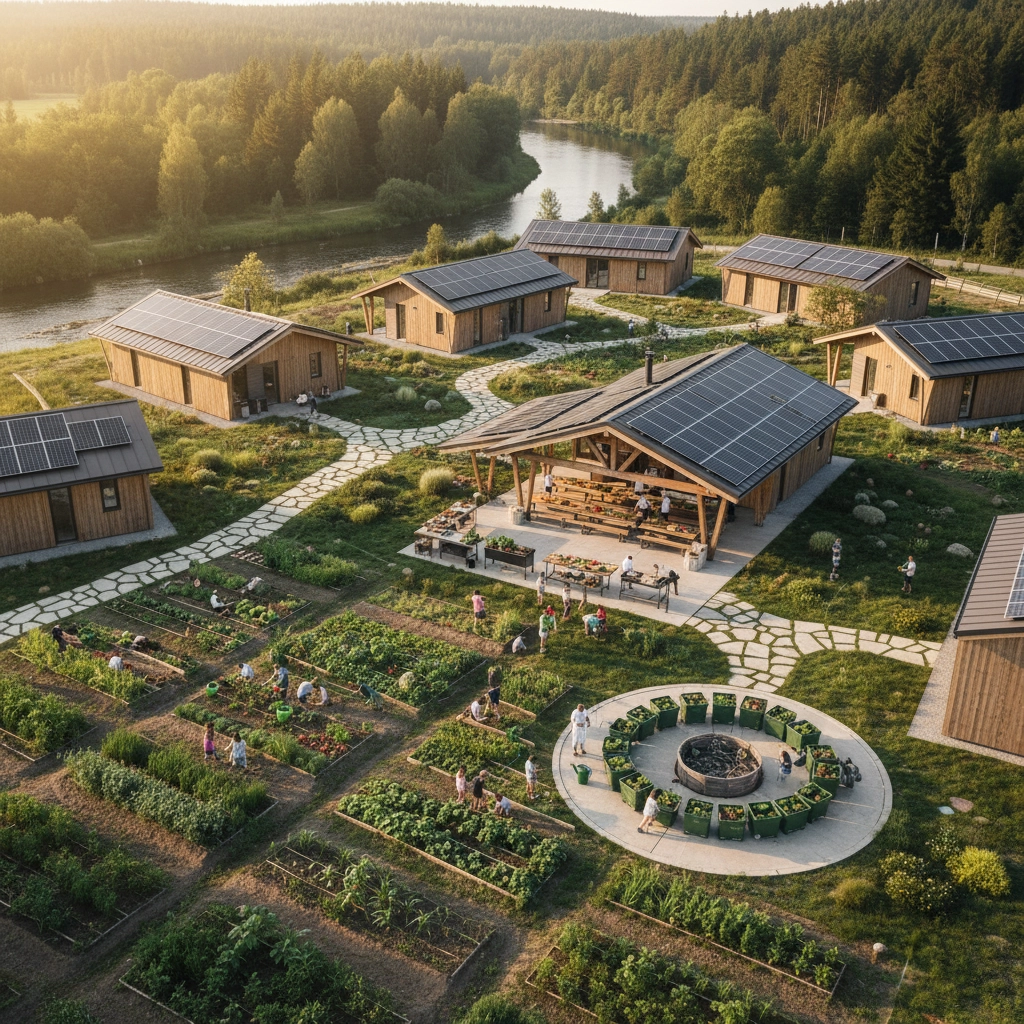
Camps aren't just going green for show anymore. Solar-powered facilities, composting programs, and farm-to-table meals are becoming standard practice. But here's the real win: these initiatives are teaching campers environmental problem-solving skills they'll use for life.
Staff Retention Through Innovation
Forward-thinking camps are rethinking their staff experience entirely. Flexible scheduling isn't just for campers: it's becoming a recruitment tool for counselors too. Camps offering professional development opportunities and career pathways are seeing higher return rates from quality staff.
Looking Ahead: What's Coming Next
The Skills-Based Camp Movement
Get ready for camps that market themselves explicitly around skill development. We're going to see more programs advertising their ability to build specific competencies: leadership, critical thinking, emotional intelligence, and technical skills.
This isn't about turning camp into school: it's about helping parents understand that camp has always been an incredible learning environment. Now we're just getting better at articulating those benefits.
Payment Flexibility Expands
Expect to see more creative payment options rolling out for 2026. Camps are recognizing that the $2,000+ price point requires flexible payment plans, sibling discounts, and creative financing options to remain accessible to diverse families.
Mental Health Integration
The conversation around camper mental health is moving from reactive to proactive. Look for camps to build mental health support and resilience training directly into their core programming rather than treating it as an add-on service.
Action Items for Camp Directors
For December Planning:
Assess your skill-building messaging: are you clearly communicating the problem-solving benefits?
Evaluate your technology policies: do they support learning while preserving brain-growing downtime?
For 2026 Programming:
Consider specialized tracks based on camper interests
Explore sustainability initiatives that double as learning opportunities
Plan staff development programs that showcase career growth potential
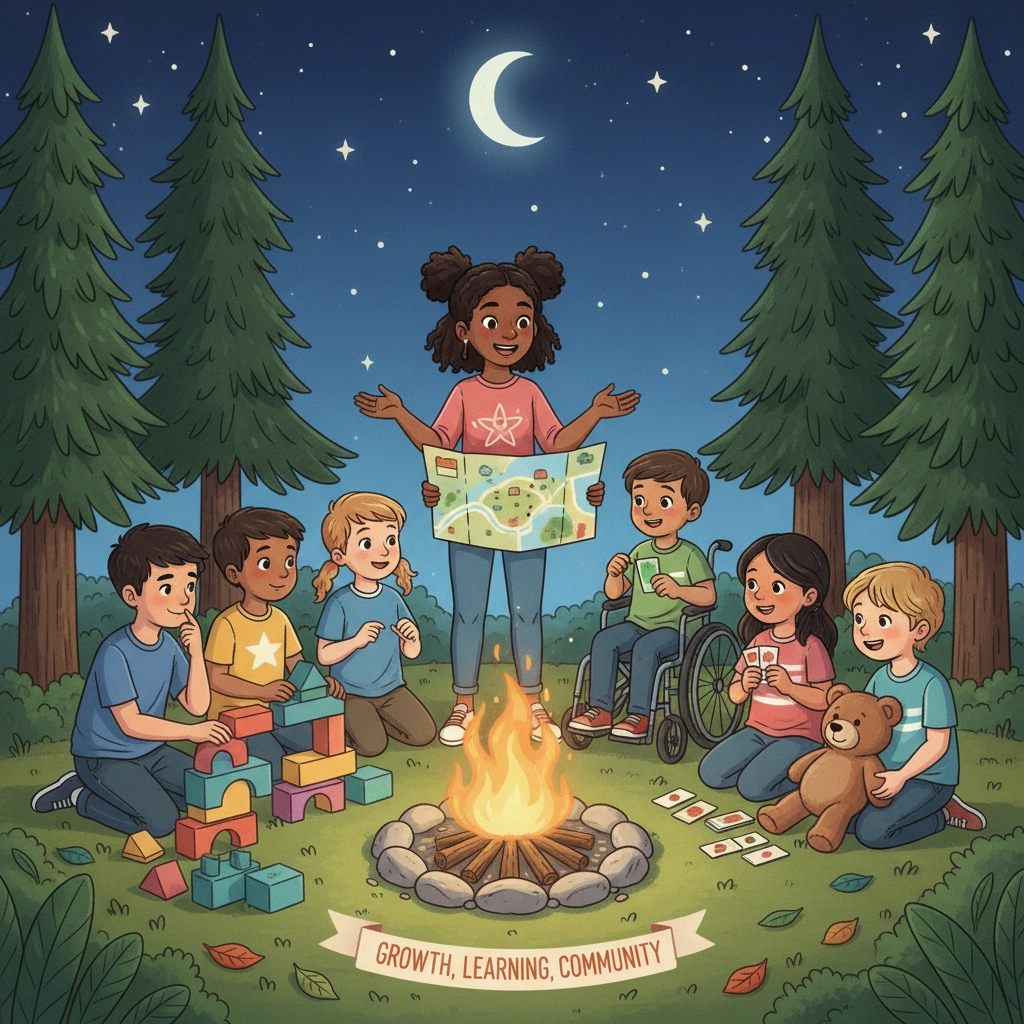
The beauty of our industry right now is that parents finally understand what we've always known: camp isn't just childcare or entertainment. It's where kids learn to solve problems, build relationships, and discover their capabilities away from the constant ping of notifications.
As you plan for next season, remember that every activity you design is an opportunity for campers to practice these essential life skills. Whether they're learning to navigate group dynamics during a capture-the-flag game or figuring out how to make friendship bracelets with limited supplies, they're developing the kind of independent thinking that will serve them well beyond camp.
Want more insights on youth leadership and camp innovation? Follow along at ilove.camp and connect with me on Instagram (@MattLovesCamp) and LinkedIn for daily updates from the camp world.
Comments