


Summer Camp Daily Brief : November 13, 2025: Movement as Opportunity
- Matthew Kaufman

- Nov 13
- 4 min read
Here's something that might surprise you: only one in four high school students gets the recommended daily hour of moderate to vigorous activity, according to new CDC data. Daily PE participation? Also under 25%.
But here's the thing – that gap isn't just a problem. It's your biggest opportunity.
While schools struggle with schedules and limitations, your camp can deliver movement at scale every single day. And the research backing this approach just keeps getting stronger.
The Mental Health Connection You Can't Ignore
A large cohort study reported this summer found something remarkable: more physical activity at age 11 directly linked to lower anxiety and depression by age 18. We're talking about each extra hour of movement at 11 reducing later psychiatric risk. Organized sports? They added even more protection.
Think about that for a moment. Your program isn't just keeping kids busy – you're building a buffer against future mental health challenges through purposeful movement and skill progressions.
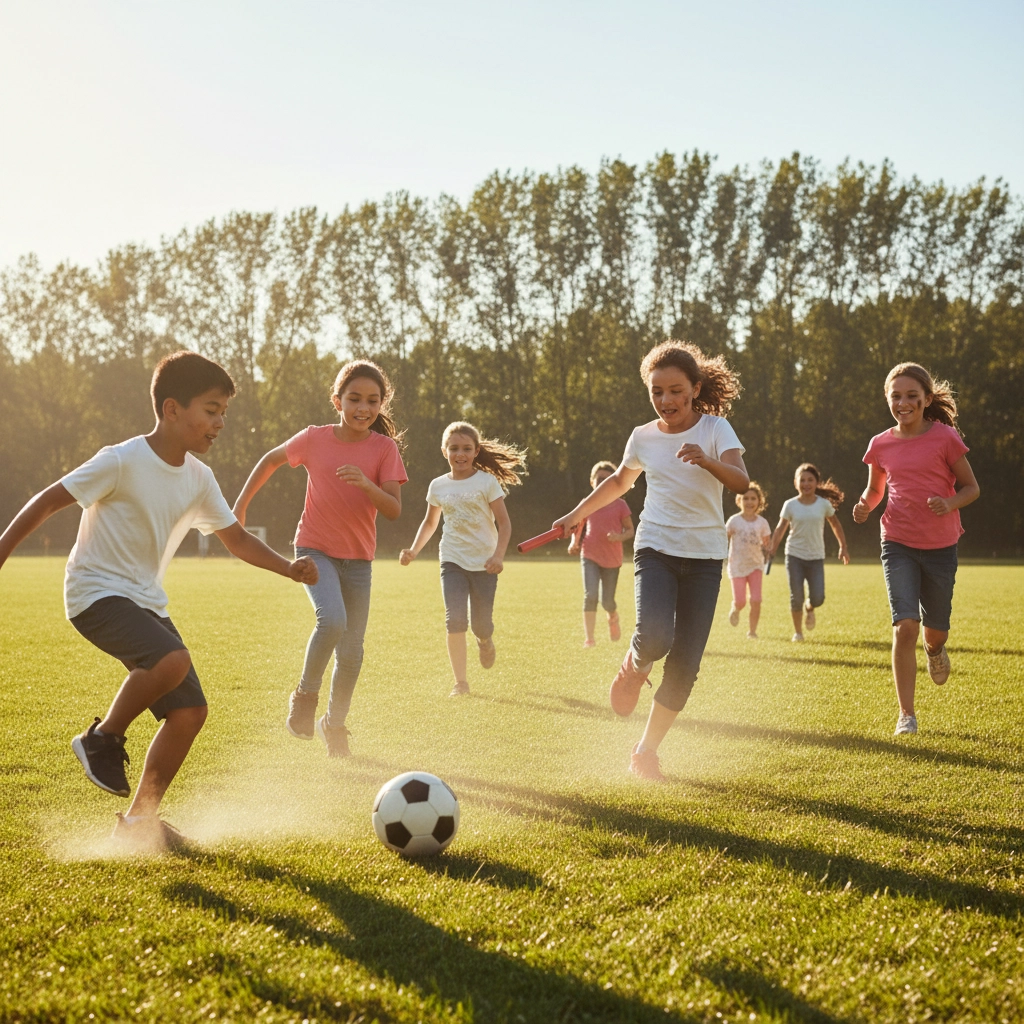
This research aligns perfectly with what many camp directors already know intuitively. When kids move their bodies, they're also strengthening their minds and building resilience that lasts well beyond camp.
Policy Momentum Working in Your Favor
The momentum isn't just coming from research labs. Policy voices are pushing in the same direction too.
The American Academy of Pediatrics recently reaffirmed recess as essential to whole child development. States have begun locking daily recess into law. Your camp's natural mix of choice, outdoor time, and social play hits those targets better than most school days ever could.
You're not competing with what schools do well – you're filling a gap they simply can't address with their current constraints.
Design Moves You Can Use Today
Ready to put this research into action? Here are some concrete strategies that align with the latest guidance on outdoor play, choice, and adventure supporting social-emotional growth.
Create Rotating Movement Stations Design stations that keep bodies in motion for at least 15 straight minutes per stop. This isn't about standing around waiting for turns – it's about continuous engagement. Add a quick partner goal at each station so every camper shares a win. The social connection amplifies the physical benefits.
Build in Reflection Time Close each movement session with a two-minute circle where campers name one skill they improved and one person who helped them. This simple practice turns physical activity into a problem-solving exercise while building interpersonal skills.
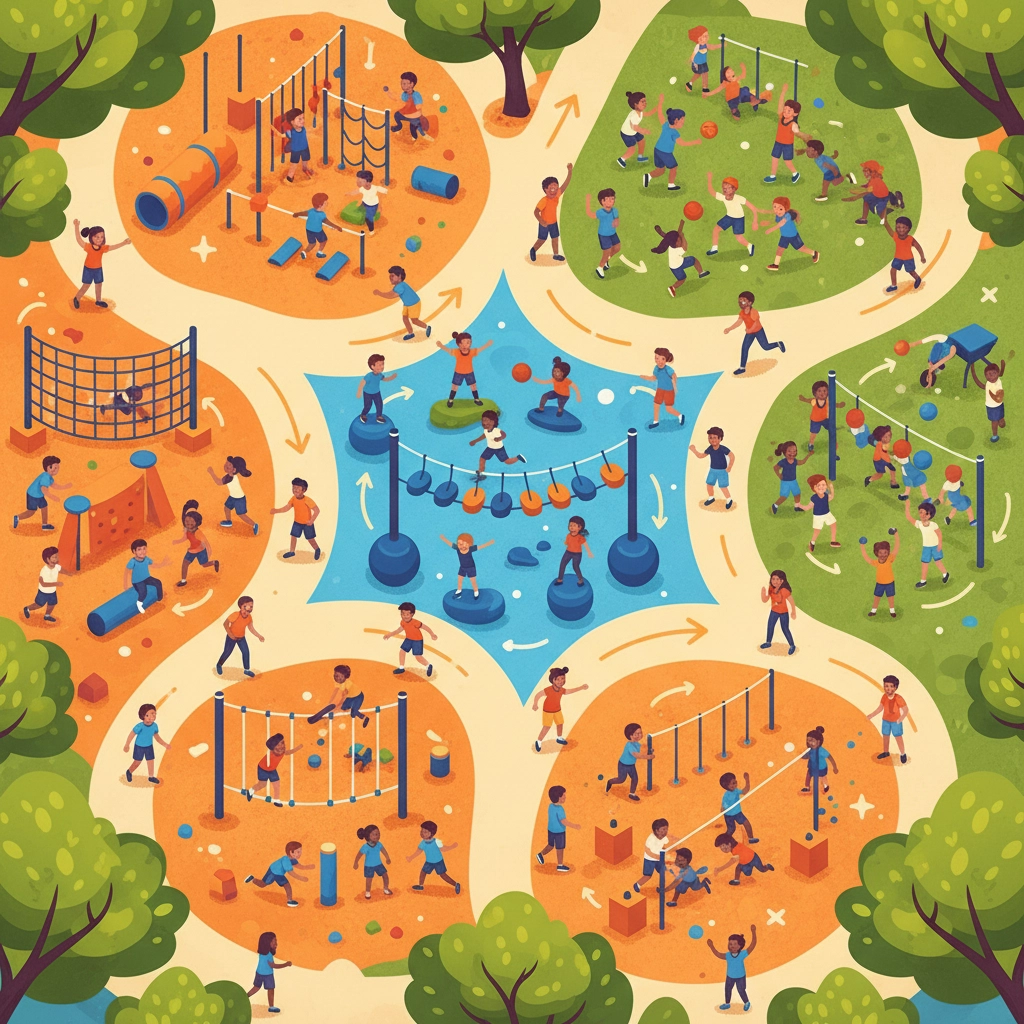
Protect Free Play Blocks Schedule at least one free play block in open outdoor space to strengthen autonomy and social problem-solving. This isn't "filler time" – it's where kids practice the independent thinking skills they'll need throughout life.
Infrastructure That Makes the Difference
Here's something public health writers have flagged that many camps overlook: weak play environments suppress activity.
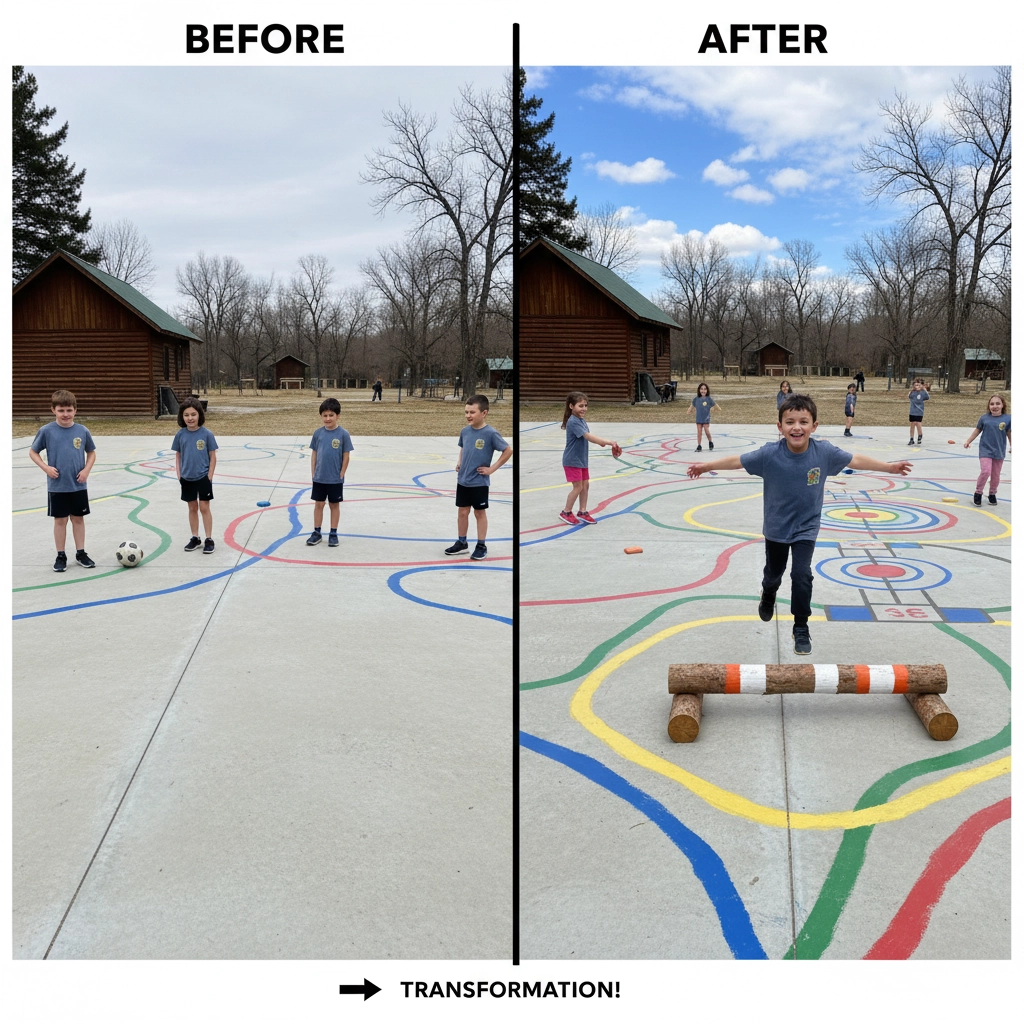
Take a walk around your campus and mark the dead zones – those spaces where kids naturally stand and wait instead of move. You know the spots: outside the dining hall, between activity areas, near bathroom facilities.
Now here's the simple fix: add lines, targets, or small course layouts to convert idle space into movement space. We're talking about chalk lines for hopscotch, painted targets for throwing games, or simple balance beam setups.
These environmental tweaks raise activity levels without adding staff time or complex programming. Sometimes the smallest changes create the biggest impact.
The Technology Balance Camp Provides
While kids spend increasing time with devices during the school year, camp offers something irreplaceable: time away from screens that helps grow brains and problem solvers.
This doesn't mean being anti-technology. The most effective camps help both kids and staff become fluent in new technology while also developing the independent problem-solving skills needed for effective tech use.
Movement-based activities are perfect for this balance. When kids navigate an obstacle course or solve a physical challenge with teammates, they're practicing the same creative thinking and time management skills they'll need in digital environments – but they're doing it with their whole bodies engaged.
Your Competitive Advantage
Schools are constrained by testing schedules, indoor spaces, and liability concerns. You're not.
Your camp can build long, continuous movement blocks that would be impossible in a traditional classroom setting. You can layer quick social wins throughout physical challenges. You can protect outdoor time when schools are cutting recess.
These aren't just nice features – they're documented paths to better mental health outcomes and stronger problem-solving abilities.
Today's Takeaway
The research is clear, the policy momentum is building, and the opportunity is right in front of you. Build long, continuous movement blocks. Layer in quick social wins. Protect that outdoor time.
These moves help campers feel belonging and pride while you deliver the health and mental wellbeing gains this week's research highlights. More importantly, you're giving kids tools for lifelong resilience that they simply can't get anywhere else.
What movement opportunities will you create this week?
Thanks for reading the Summer Camp Daily Brief. If this was helpful, share it with a camp pro and subscribe for more practical, research-informed ideas at https://ilove.camp. I Love Camp connects camp professionals for networking and education—join the community and keep building better programs together.
Comments