


Summer Camp Daily Brief : November 11, 2025: Cybersecurity, Continuity, and Health Readiness
- Matthew Kaufman

- Nov 11
- 4 min read
Tuesday, November 11, 2025 Focus: Operations and Systems
Story of the Day
A cybersecurity incident forced Manassas City Public Schools in Virginia to close all buildings on Monday while they worked through the problem and restored systems. The district alerted families on Sunday night and kept learning remote until services were stable again.
This isn't just another tech headline. It's a wake-up call for every camp director who thinks cybersecurity is someone else's problem.
Why This Matters for Your Camp
You rely on the same digital backbone as schools. Email systems. Registration databases. Payment portals. Transportation lists. Health records. When any of these systems go down, your operations grind to a halt.
The Manassas closure reminds us that cybersecurity and continuity planning aren't nice-to-have extras: they're core program work. And with enrollment season, staff onboarding, and health form collection right around the corner, now is the time to tighten your backup routines.
Think about it: what happens if your registration system crashes during your biggest enrollment push? Or if email goes down the morning parents need transportation updates?

What Else Moved This Week
Microsoft confirmed a cloud disruption yesterday that hit Azure services, with spillover effects reaching government sites and third parties that depend on the platform. If your camp uses any Microsoft-based tools (and most do), you felt this one.
Meanwhile, Google's Workspace status page shows recent Gmail incidents this month. Even the giants stumble sometimes, which is why watching vendor dashboards and planning for failover isn't paranoia: it's smart management.
On the health front, the CDC's respiratory season outlook notes that RSV hospitalizations this season are expected to match last year's levels. That affects attendance patterns, staffing needs, and how you communicate with families about illness policies.
Your Action Plan for This Week
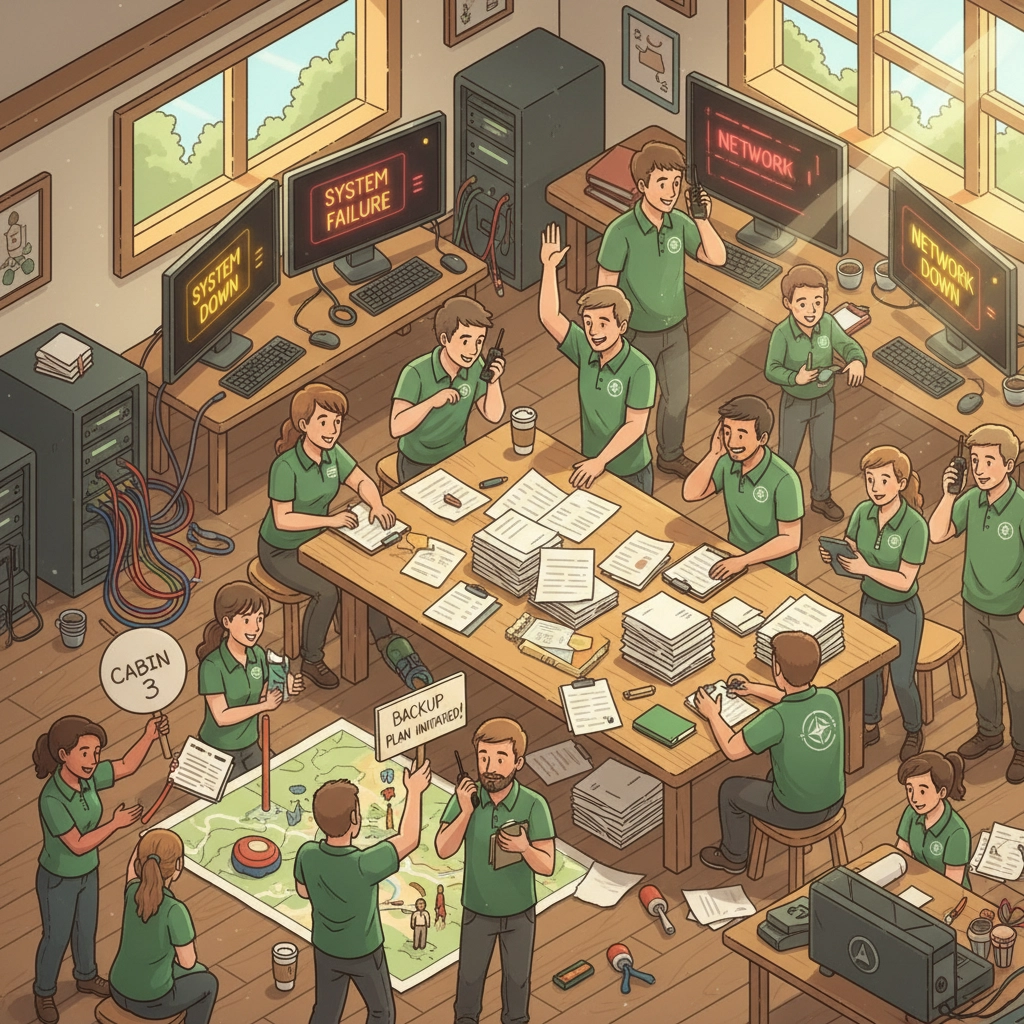
Start with a one-hour continuity drill. Pick a single scenario and walk through it. Email outage at 7 a.m. Payment portal down during check-in. Student information system exports unavailable. Who communicates what? Where are the backup lists stored?
Export and print two critical items today. Your current transportation roster and staff phone tree. Store physical copies in two locations that don't require power or internet access. Old school? Absolutely. Effective when everything else fails? You bet.
Set up status bookmarks. Save Google's Workspace status dashboard and your payment vendor's status page on leadership phones and the front desk device. Train one person to check these first when something feels off. It's amazing how often a "mysterious" problem is actually a known vendor issue.
Tighten multi-factor authentication and role-based access. Reduce shared logins. Add multi-factor prompts on email, rostering, document storage, and your registration platform. Do this now, not during camp when you're juggling a hundred other priorities.
Create a three-message outage script. One for families, one for staff, one for vendors. Keep it short, plain, and ready to paste. Include an alternative communication method if your primary systems fail.
Training Your Team
Here's something worth remembering: Gen Z seasonal staff want structure and clarity when tools fail. They've grown up with technology that "just works," so when it doesn't, they need clear steps to follow.
Teach a simple flow: Check the status page. Switch to printed lists. Use the phone tree. Log the issue. Return to normal procedures when you get the all-clear. Confidence rises when the steps are visible and rehearsed.
Don't assume they'll figure it out on their own. Practice makes the difference between chaos and calm professionalism when parents are asking questions and campers need attention.
Health Readiness Check
With the CDC's RSV outlook suggesting similar hospitalization rates to last year, it's time to align your sick-child and staff coverage plans accordingly. Communicate early with families so they understand your health thresholds and backup plans.
This isn't about creating fear: it's about creating clarity. When families know what to expect, they make better decisions for everyone's health and safety.
Signals to Watch This Month
Keep an eye on cloud status posts that mention configuration errors or regional instability. These matter most during enrollment pushes and payment deadlines when you can't afford system downtime.
Watch for local headlines about district closures from cyber incidents. If schools in your area get hit, expect parents to ask about your safeguards. Being prepared with a clear, confident answer builds trust.
The Bottom Line
Continuity isn't just an IT issue: it's a program skill. When you practice for outages and maintain offline backups, your days stay calm, your families feel informed, and your staff know exactly what to do.
Every camp director knows that preparation prevents problems. The same principle applies to your digital systems. A little planning now prevents a lot of panic later.
Your campers deserve leaders who think ahead, communicate clearly, and keep operations running smoothly no matter what technology throws your way. Make continuity planning part of your camp culture, not just your emergency procedures.
Want more insights on youth leadership and camp innovation? Follow along at ilove.camp and connect with me on Instagram (@MattLovesCamp) and LinkedIn for daily updates from the camp world.
Comments