


Summer Camp Daily Brief: Leadership Trends and Action Steps for Camps (November 24, 2025)
- Matthew Kaufman

- Nov 24
- 4 min read
Good morning camp leaders! This week brought encouraging news about youth employment, fresh research on what keeps young staff engaged, and growing momentum around structured coaching in frontline roles. Each development connects directly to your summer operations because your staff teams mirror the broader youth workforce: high energy, big responsibility, and incredible potential when properly supported.
Let's dive into what these trends mean for your program and what you can do about it right now.
Youth Employment is Climbing for the Third Year Running
The Bureau of Labor Statistics just released data showing youth job participation rose again this year, marking three consecutive years of growth. Young people are choosing seasonal roles, outdoor programs, and service positions at higher rates than we've seen in years.
What does this mean for you? A stronger applicant pool is coming your way, but these candidates arrive with higher expectations than previous generations. They want clear development paths, regular feedback, and meaningful work that builds real skills.
Your camp already offers what these young adults are seeking: community, mentorship, and leadership experience that most workplaces can't match. The key is communicating these benefits clearly during recruitment and delivering on them consistently throughout the season.
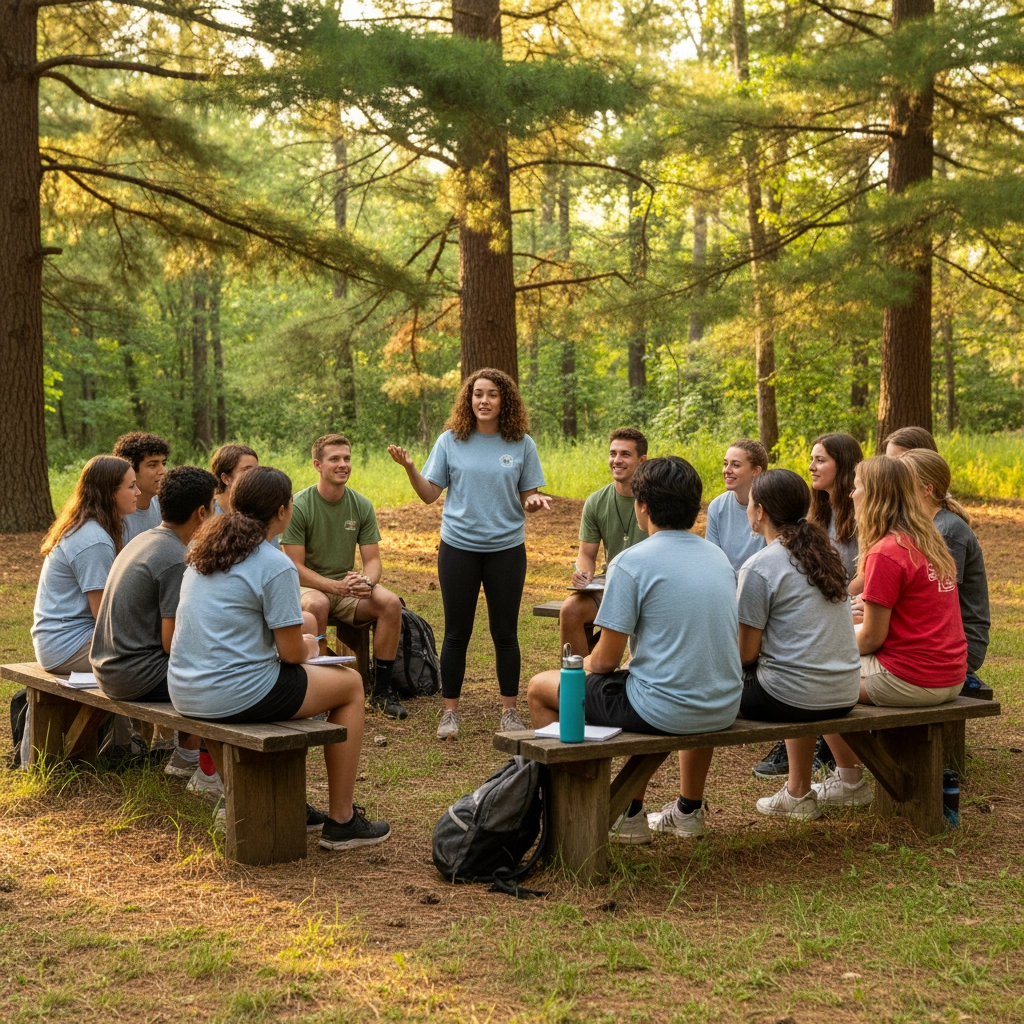
Young workers today expect four things: ongoing feedback, coaching over supervision, skill growth opportunities, and mental health support. Notice how these align perfectly with camp values? Directors who lean into these expectations create stronger teams and fewer mid-season headaches.
New Data Reveals What Actually Keeps Staff Around
Multiple workforce platforms released retention reports this week, and the findings should make every camp director sit up and take notice. Three factors emerged as the strongest predictors of whether young workers stay or leave.
First, clear expectations. When roles include transparent goals and consistent communication, people stick around longer. Second, connection to supervisors. Regular check-ins with immediate supervisors: even short ones: dramatically improve retention. Third, recognition. Specific praise and acknowledgment of progress keep young adults engaged.
Every single one of these factors fits naturally into camp culture. Your counselors thrive when they understand their role and receive regular direction from unit leaders. The research backs up what many of us know intuitively: invest in your people, and they'll invest in your program.
Psychological Safety Matters More Than We Realized
A major university research center analyzed six thousand young workers across service, education, and recreation fields. Teams with strong psychological safety reported better effort, stronger collaboration, and fewer interpersonal conflicts.
Here's what stood out: Workers share concerns faster when supervisors respond neutrally. They follow rules more consistently when they trust team leaders. They support each other more often when communication patterns stay predictable.
This research hits home because your staff work in small groups with huge responsibility for children's safety and development. Building safe communication structures before day one pays dividends all summer long. When staff feel safe reporting incidents, asking for help, and sharing concerns, everyone benefits.
Lessons from the Hybrid Work Debate
You might wonder what hybrid work policies have to do with summer camp, but hear me out. National coverage of workplace friction revealed something important: workers respond best when leaders offer clarity, consistency, and fairness. Tension builds when policies shift without transparent explanation.
Seasonal programs depend entirely on trust between supervisors and young employees. Clear rules, predictable schedules, and transparent decision-making reduce frustration before it starts. When you explain the rationale behind camp policies, staff buy in more readily and support decisions even when they're inconvenient.
Coaching Skills Are Having a Moment
Large employers across retail, food service, and recreation launched new coaching programs for frontline supervisors this year. These programs focus on short feedback cycles, structured praise, clear goal statements, calm conflict resolution, and simple scripts for difficult conversations.
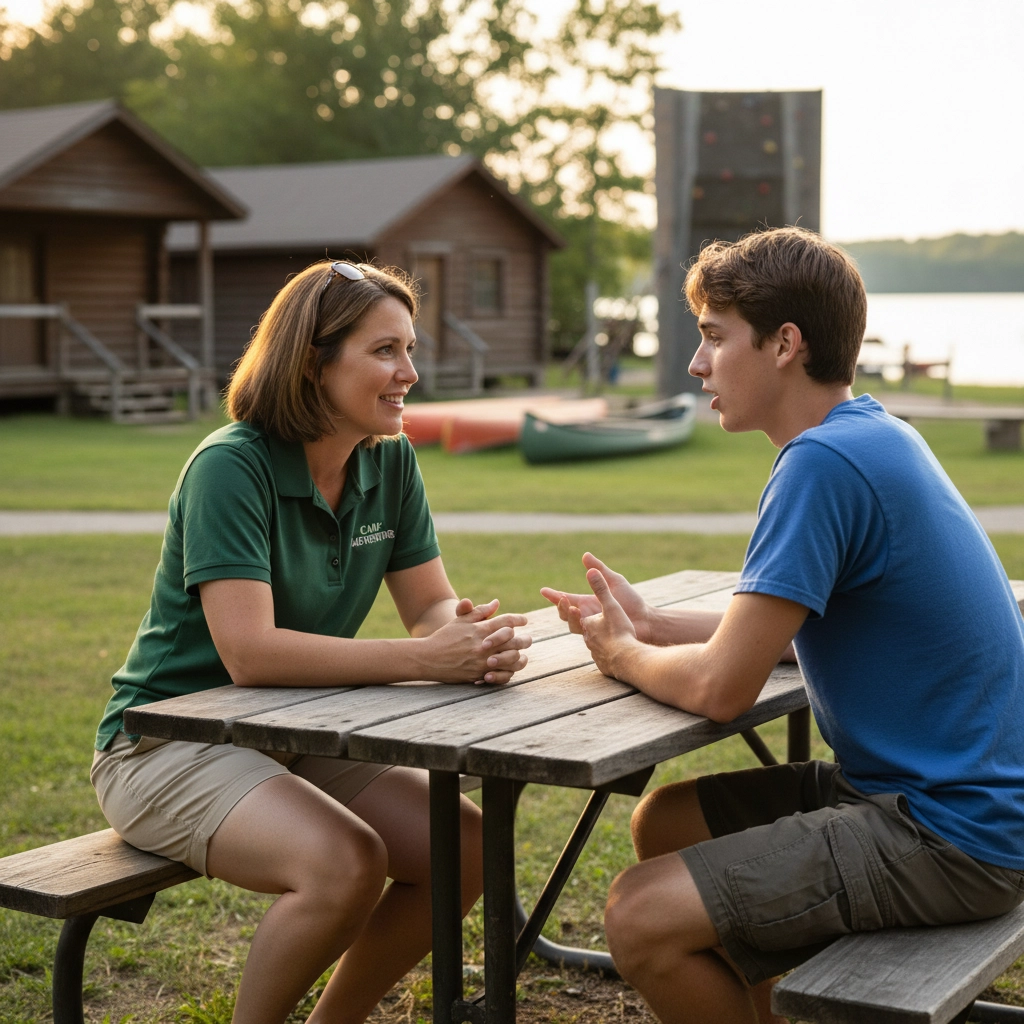
This movement aligns perfectly with camp leadership goals. Your unit leaders, head counselors, and division leaders serve as frontline supervisors. Training these key players in basic coaching skills provides strong returns because young staff respond well to leaders who listen, guide, and reinforce expectations without judgment.
Six Actions You Can Take This Week
Ready to put these insights into practice? Here are concrete steps you can implement immediately.
Create clear role guides. Young workers perform better when responsibilities stay explicit. Build a one-page guide for each position covering daily tasks, safety expectations, and communication standards.
Establish weekly check-ins. During the season, ask division leaders to meet each counselor for ten minutes weekly. Follow a simple pattern: What went well? What felt confusing? What support would help?
Build structured recognition. Directors often forget praise during busy weeks. Create a simple system where each division leader sends three specific praise notes weekly. Specific feedback supports learning and increases retention.
Strengthen psychological safety. Share a standard phrase for staff who need help, like "I need support with this." Train leaders to respond without judgment. This creates safer communication during stressful moments.
Prepare leaders with coaching scripts. New unit leaders often freeze during conflict. Provide simple scripts: "Tell me what happened from your point of view," "Here's what success looks like," and "Here's the next step."
Build trust through transparency. Explain policy decisions before the season begins. Young workers respect clear reasoning, which reduces frustration when schedules shift or assignments change.
Why This Matters for Your Program
Youth employment growth, retention research, and coaching initiatives point to one central theme: young workers want structure, trust, and growth opportunities. Camps naturally provide strong environments for these needs, but success requires intentional leadership systems.
Your program serves children, but your staff team powers safe operations. Strong leadership systems create fewer conflicts, better incident reporting, higher return rates, smoother supervision, and stronger culture.
These outcomes require consistent leadership habits. Recent trends show rising attention to coaching and feedback across industries. Camps that embrace these trends early gain significant advantages in recruiting, retaining, and developing outstanding staff teams.
The research is clear: invest in your people with clear expectations, regular connection, and genuine recognition. Your staff will respond with commitment, growth, and the kind of energy that makes magic happen for kids.
Want more insights on youth leadership and camp innovation? Follow along at www.ilove.camp and connect with me on Instagram (@MattLovesCamp) and LinkedIn for daily updates from the camp world.
Comments