


Summer Camp Daily Brief: Leaders Face Rising Pressure to Support Stretched Staff: Here's Your Game Plan (Monday, December 1, 2025)
- Matthew Kaufman

- Dec 1
- 4 min read
Today's biggest headlines point to one clear theme: leaders everywhere face mounting pressure to support workers who feel stretched, distracted, and uncertain about their next steps. Sound familiar? You're seeing the same dynamic at camp. Your staff want clarity. They want mentorship. They want opportunities to grow. Your job is building those conditions long before opening day arrives.
Three stories from this weekend help explain where your staff stand right now and what you need to plan for this year.
Young Workers Are Losing Confidence Fast
New workplace surveys from Gallup and Deloitte reveal sharp drops in confidence among workers under thirty. The most cited problems? Weak communication from supervisors, unclear expectations, and low trust in senior leadership. These workers say they desperately want more connection and coaching from the people who lead them.
This lines up perfectly with what you see during orientation week. Staff want to feel steady before they take on real responsibility. They want to work for leaders who tell them the truth, explain their decisions, and give genuine feedback. Here's what they don't want: vague encouragement and crossed fingers.
What you can do right now:
Start your pre-summer communication earlier this year
Share exact expectations for each role (not general descriptions)
Give staff short, direct examples of what good performance actually looks like
Explain your decision-making process with clear steps they can follow
Clarity builds trust. When trust rises, your retention rises. Staff who feel prepared show stronger follow-through and demonstrate genuine care for campers.
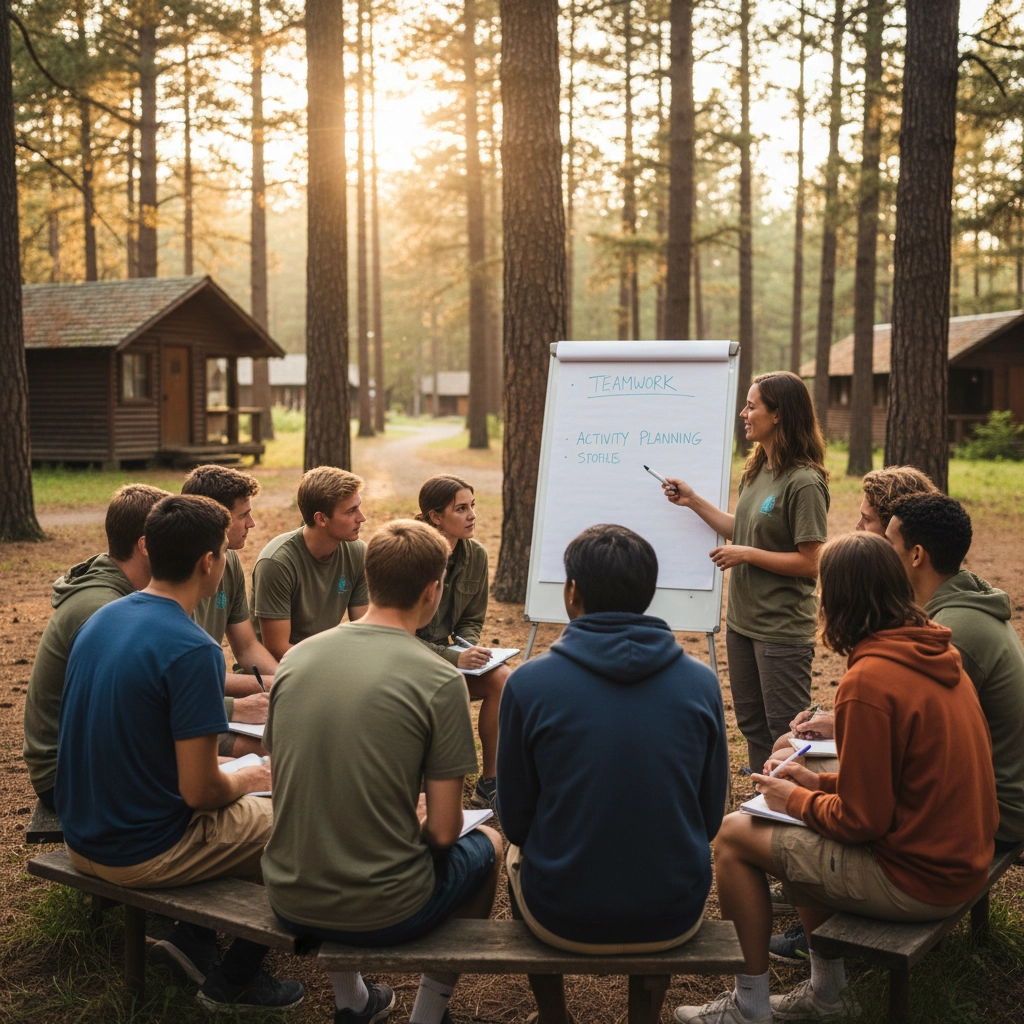
Applied Leadership Training Is Having a Moment
The Chronicle of Higher Education reported new data showing enrollment in applied leadership certificates rose about twenty percent this year. Students say they expect to enter workplaces where soft skills drive advancement. They want hands-on experience with conflict resolution, time management, teamwork, and communication.
This is actually a huge advantage for you. Camp is one of the few environments where young adults lead others in live, unscripted situations every single day. Your staff step into roles requiring real responsibility from hour one. Few entry-level jobs ask this much of people.
If you frame the experience correctly, staff start seeing their summer as a leadership laboratory instead of seasonal work. This completely shifts their mindset and their performance.
What you can do:
Connect each part of staff training to a specific leadership skill
Add short explanations for why each skill matters beyond camp
Build reflection time into your orientation schedule
Help staff see the work as personal growth rather than just tasks
Programs that give workers context about their development produce stronger leaders. When staff understand the meaning behind the job, performance naturally rises.
Stable Adult Mentors Change Everything
A new study from the American Academy of Pediatrics found strong links between adolescent well-being and stable relationships with trusted adults. Teens with one consistent mentor show higher self-regulation and lower stress levels. The effect grows even stronger when the adult has regular in-person contact.
This is exactly the work you already do. Camp places your staff in positions where they support children for weeks at a time. Those consistent bonds shape camper well-being, but they also drive staff development in ways most people never consider.
When a young adult mentors a child successfully, they grow skills they'd never develop in a typical job. They learn patience under pressure. They practice genuine presence. They manage big emotions while staying calm. They learn to listen for needs that children can't always express clearly.
You want your staff to recognize this growth happening in real time.
What you can do:
Teach staff how to build dependable routines that campers can count on
Give them simple scripts for conflict and high-stress moments
Help them track actual growth in their campers across the summer
Provide language they can use on future resumes to describe this experience
When your staff feel the real weight and value of their role, you get dramatically stronger performance from them.
Your Leadership Strategy for This Year
You need to assume your staff are entering the summer with higher anxiety and lower clarity than previous years. This isn't their fault: it reflects conditions across schools and workplaces everywhere. They haven't gotten much practice with real responsibility before they reach your program.
Three leadership moves make the biggest difference:
Increase Structure
Structure lowers anxiety by helping staff predict what happens next. You don't need complex systems: staff want simple steps that guide them through core parts of their job.
Try these: Short scripts for common situations. Daily routines explained in plain language. Quick checklists that supervisors keep visible. One clear point of contact for each type of decision.
Double Your Communication
Communication solves ninety percent of staff problems before they become real problems. You want consistent rhythm, predictable updates, and supervisors who speak plainly.
You don't need to overwhelm people with messages: you need clear, short, frequent communication that builds trust and cuts down on unnecessary drama.
Invest in Coaching
Your staff genuinely want to grow, and coaching is your fastest path to building both retention and quality simultaneously. Your supervisors play the central role here, and you want them coaching every single day through short conversations that support performance.
Effective coaching doesn't require long meetings: it requires presence and clear intention.
The Connection to Youth Development
This work connects directly to what we know about how young brains develop. Staff leadership and camper well-being are completely linked. When your staff feel grounded, your campers feel grounded. When your staff trust their supervisors, your campers trust their counselors.
Strong leadership also shapes brain chemistry in powerful ways. Predictability lowers stress hormones. Belonging raises connection chemicals. Purpose increases motivation. Respect builds confidence. Joy releases natural feel-good chemicals. When you build the right environment for your staff, they naturally pass that stability to your campers.
Your Focus This Week
Here's what needs your attention before the holidays:
Tighten your pre-summer communication plan with specific dates and topics
Draft three short supervisor scripts for your most common challenging situations
Identify the five leadership skills you want to highlight during staff training
Review your coaching expectations with your entire supervisor team
Leadership follows rhythm, and staff follow leaders who offer structure, clarity, and genuine care. When you set the right tone early, everything that follows becomes steadier for both your campers and your team.
Your leadership creates the conditions for the summer you actually want to have.
Want more insights on youth leadership and camp innovation? Follow along at www.ilove.camp and connect with me on Instagram (@MattLovesCamp) and LinkedIn for daily updates from the camp world.
Comments