


Summer Camp Daily Brief: Camp as the Ultimate Training Ground (Wednesday, December 3, 2025)
- Matthew Kaufman

- Dec 3
- 4 min read
News this week is highlighting a clear message: there's a growing gap between what young workers learn in school and what employers desperately need from them. You see this gap every summer when new staff arrive at your camp. They're smart, eager, and well-educated, but they struggle with real-time problem solving, leading groups under pressure, and managing stress when things don't go according to plan.
Here's what makes this interesting for you as a camp leader. While universities scramble to add new courses and employers search for talent, your camp is already doing something remarkable. You're creating one of the strongest training grounds for early career growth that exists anywhere.
Three Stories That Point to Camp's Hidden Value
Employers Report a Critical Shortage of Problem-Solving Skills
LinkedIn's latest workforce trends report dropped this week with a sobering finding. The top skills employers want are problem solving, communication, and adaptability. But here's the kicker: most new graduates wait for instructions because they're used to structured, predictable tasks. They struggle to make independent decisions when faced with ambiguous situations.
Sound familiar? That's exactly what your staff face every hour at camp. A camper conflict erupts during arts and crafts. The weather shifts and you need to move activities indoors. A child feels overwhelmed and needs immediate support. Equipment goes missing right before a program starts.
Your staff can't wait for a manual or ask for a detailed protocol. They need to pause, assess, and act with limited information. That's real problem-solving under pressure.
Early Leadership Experience Predicts Long-Term Success
The Center for Talent Innovation released fascinating research this week. First jobs with direct responsibility correlate with higher promotion rates later in life. Workers who lead others before age twenty-five move through organizations faster. The strongest predictor? Managing small teams.
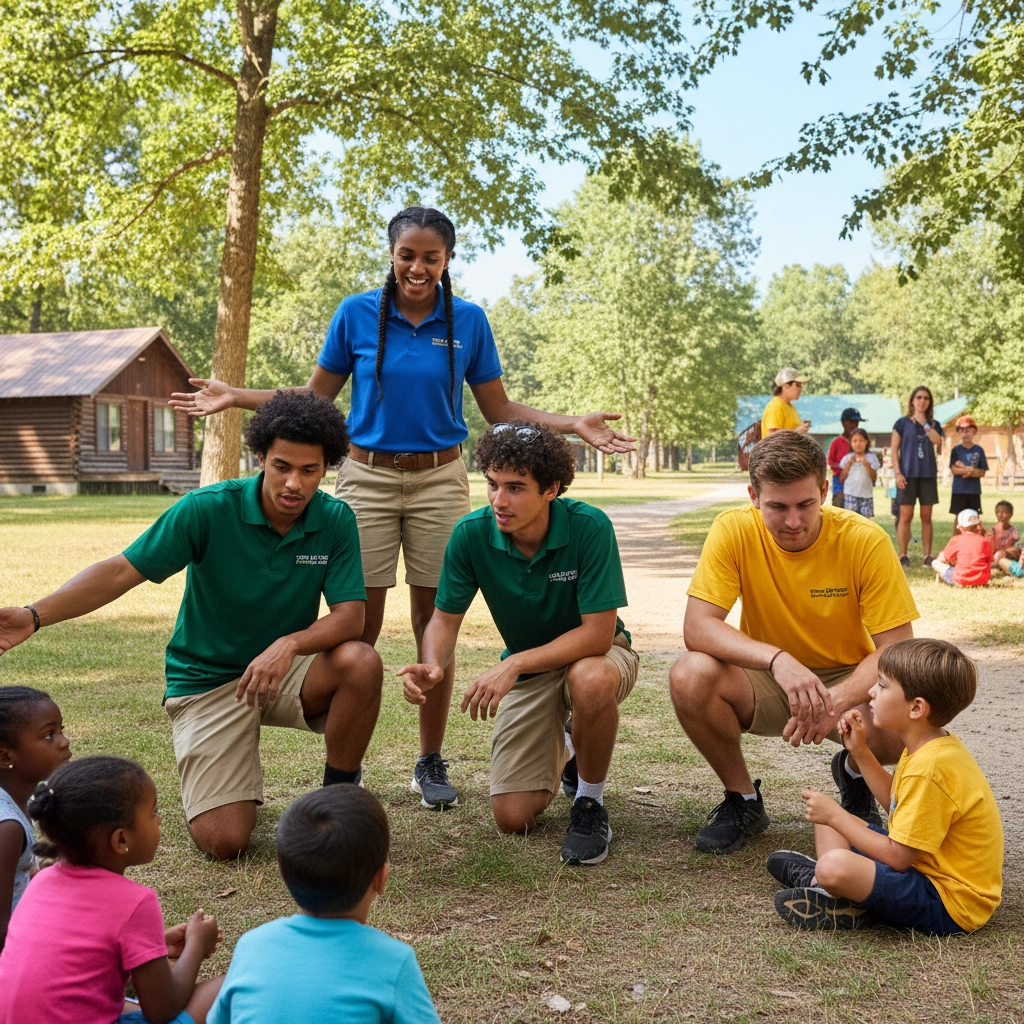
Think about your nineteen-year-old counselors. They're managing groups of campers and often leading junior staff. They practice clear communication daily. They balance competing needs. They read emotional cues and mediate disagreements. They build routines that others follow.
These aren't simulated leadership experiences. These are high-stakes situations where their decisions directly impact real children's safety, happiness, and growth.
Universities Scramble to Teach What Camp Already Does
Multiple universities announced new courses this week focused on teamwork, conflict resolution, and emotional intelligence. Colleges now recognize they need to teach students skills your staff practice every single day.
Your staff learn to collaborate with co-counselors under pressure. They manage their own frustration while staying kind to campers. They maintain emotional steadiness when they're tired, hot, and dealing with challenging behaviors. They work through disagreements with peers while maintaining group harmony.
The difference? Your staff aren't learning these skills in a classroom. They're developing them under real conditions with immediate feedback.
How Camp Builds Skills That Matter
What makes camp such a powerful training ground isn't just the variety of challenges your staff face. It's how camp naturally creates the conditions for growth.
Responsibility Through Real Stakes
Your staff own outcomes in a way most entry-level jobs don't allow. When they lead a group, their decisions matter immediately. They see the impact of strong choices and weak choices in real time. A well-planned activity leads to engaged, happy campers. Poor preparation leads to chaos they have to manage.
This teaches consequences faster than any case study or simulation ever could.
Communication Under Pressure
Camp work demands clear communication constantly. Staff need to give directions that children understand and follow. They need to coordinate with co-counselors. They need to read tone and adjust their approach based on what they observe.
These aren't abstract communication skills. They're practical abilities that translate directly to workplace success.
Stress Management as Leadership Development
Leadership requires emotional regulation, and camp provides intensive practice. Your staff learn to stay steady so their groups stay steady. They develop resilience through managing hot days, rainy transitions, and shifting group dynamics.
When your systems support this growth through predictable routines and strong supervision, staff build self-awareness that serves them for life.
The Summer Camp MBA in Action
This connects directly to what we know about The Summer Camp MBA. Three core lessons stand out:
Responsibility grows through action. Staff learn accountability because they own real outcomes with real consequences.
Communication drives team performance. Daily coordination with co-counselors and clear direction-giving to campers builds communication skills faster than most jobs ever will.
Stress management shapes leadership. Managing emotions in service of others develops emotional intelligence that employers desperately need.
What You Can Do This Week
Want to help your staff recognize and articulate the value of their camp experience? Here are practical steps:
Review your staff training curriculum. Add one transferable skill to each training block. When staff understand they're developing professional capabilities, they approach the work with greater purpose.
Build reflection into supervision. Create simple debrief questions supervisors can use after challenging moments. Help staff connect their actions to outcomes they can see.
Prepare staff to tell their story. Give them language they can use in future interviews. Help them understand that camp leadership experience is exactly what employers are seeking.
Create a one-page summary of professional skills learned at camp. When staff can clearly articulate their growth, they leave with stronger confidence and better stories.
The gap between what young workers learn in school and what employers need is real. But you're not just observing this trend from the sidelines. You're actively solving it, one summer staff member at a time.
Your camp builds stronger people. When you frame the experience with intention, your staff see camp as the best first job they'll ever have.
Want more insights on youth leadership and camp innovation? Follow along at www.ilove.camp and connect with me on Instagram (@MattLovesCamp) and LinkedIn for daily updates from the camp world.
Comments