


AI and Camp Weekly Summary: Sunday, November 16 – Week in Review
- Matthew Kaufman

- Nov 15, 2025
- 7 min read
This week's AI stories all pointed in one direction: the world is moving faster. Tools are getting smarter. Risks are growing. Leaders everywhere are trying to make sense of what this pace means for their work and communities.
Camps feel these shifts even when they seem far away. When the outside world speeds up, camp leaders need to respond with steady hands. You work with children, families, and young staff who live in the center of this technological change. You guide them through summers that feel timeless, yet you also face the same demands as any modern organization.
Three stories shaped this week. Each one ties back to your work with campers and staff. Each one has something to say about community, culture, and leadership. As you read, think about how these themes show up in your own planning, training, and values.
Story One: Cybersecurity Gets Personal
Anthropic reported that its AI model was targeted by a coordinated hacking attempt connected to China. The team described attempts to force the model to break its own safety rules. This kind of story has become common. A few years ago, it felt like something out of a spy movie. Now it feels like an ordinary headline.
Why does that matter for camps?
Camps hold sensitive data. Parents trust you with health forms, behavior notes, medication information, and payment records. You manage staff files, background checks, and evaluations. You also store the emotional side of camp life: children share fears, hopes, and struggles with counselors. You protect that trust.

When you hear about AI-driven attacks, you start thinking about how those risks could reach your own systems. You don't run a tech company, but the threat doesn't care. You run a community. That means you rely on simple digital tools that must remain safe.
Even one breach can damage the trust families have in you. Safety is part of belonging. Belonging is part of the chemistry that drives camp culture. When families feel secure, they release the brain chemicals that help them lean into connection. When they feel exposed, those chemicals shift. Stress rises. Cortisol takes over. That affects how they see the entire program.
You ask simple questions: Which tools store sensitive information? Who has access? How strong are the passwords? Where do vendors store data? Does every staff member know the basics of digital safety?
These small habits protect the culture you work so hard to build. When parents feel safe, counselors feel safe. When counselors feel safe, children feel safe. Safety sets the stage for connection, movement, and joy.
Story Two: Data Quality Blocks Progress
Several industry reports pointed to the same pattern this week. Organizations want to use AI but feel blocked by messy data. The issue isn't the AI models. The issue is structure. Leaders want strong insights but store information in dozens of places without shared naming conventions. That slows everything down.
This should sound familiar to camp leaders.
Camps have registration systems, health forms, attendance logs, swim records, activity schedules, staff rosters, and transportation sheets. Each system looks a little different. Each system has quirks. You often grab information from six places before you reach a clear answer. This wastes time. It causes confusion. It also limits progress.
When data sits in separate pockets, you cannot see a full picture of a child. You cannot track patterns in behavior or attendance. You cannot link swim progress to group placement. You cannot connect staff feedback to team performance. You lose insight that might help a child, a counselor, or a division.

Think about movement at camp. Children run from the field to the pool to the lake to lunch. They learn through motion. They process through experiences. Their learning links across moments. When data works the same way, you gain understanding. When you connect information across systems, you see each child more clearly. You support them with more confidence.
Clean data isn't about technology. It's about child development. When you understand the whole child, you respond with accuracy and care. That builds trust. That trust creates the brain chemistry that keeps campers open, curious, and ready for new challenges.
Story Three: Big Money, Big Changes
Meta announced this week that its massive spending on AI is aggressive but not unreasonable. Large organizations are pouring money into AI research. Budgets that once felt impossible now feel normal. The numbers tell you something important: AI will shape daily life faster than people expect.
Every tool you use at camp will absorb these capabilities. Even vendors that seem simple will adopt AI features behind the scenes. This creates opportunity and responsibility. You don't need a large budget. You don't need a technical staff. You need clarity.
You choose which tools serve your mission. You choose how to prepare your staff to work with new features. You shape the culture that makes these tools support people rather than replace them.
Here's where your camp philosophy matters. You believe in controlled struggle. You believe in growth through challenge. You believe in the power of movement, community, and ritual. Technology should sit behind those values, not in front of them.

AI should free time so counselors can teach skills, guide friendships, and lead games. It should help leadership teams respond to families with calm voices. It should help you train staff with confidence. It should never take away the human parts that make camp transformative.
What This Means for Your Camp
Children need adults who can model focus, empathy, and resilience. They need to see adults use tools without losing presence. They need to enter environments where their social bonds feel stronger than their screens.
Camps have an advantage here. You already create a world where children step away from distractions. You build daily rituals that quiet stress and lift mood. You give children the oxytocin and serotonin that help them feel grounded.
AI becomes useful when it helps you protect that world. If it saves one hour of email, that's one extra hour to support a counselor. If it helps create clearer schedules, that's one more moment for movement and play. If it helps you draft stronger staff training, that's one more chance to raise young leaders who will take these lessons into the rest of their lives.
This is the heart of every Sunday post. You look at news through the lens of camp. You translate big stories into small steps that help your community. You also keep the long view. You prepare for summers where staff use AI to check schedules, generate teaching examples, or create messages for parents.
Practical Steps for This Week
As you take these stories into the next week, here are a few areas you might explore:
First, check your digital safety. Look at each tool that stores sensitive information. Review staff accounts. Tighten access. Ask whether a vendor offers two-step verification. These small steps build trust with families.
Second, look at your data across systems. Pick one area and improve it. Maybe swim logs. Maybe attendance. Maybe staff records. Create one table with clean names and consistent fields. You don't need to finish everything at once. The goal is forward movement.

Third, prepare your team for the next wave of AI features. Talk with your leadership team about the tools you already use. Identify which ones will adopt AI next. Teach your staff how to question outputs. Give them the confidence to use AI as support, not as authority.
Fourth, think about how this connects to your camp culture. Camp is a place where children move, connect, and grow. AI should protect those moments. When you use these tools with intention, you preserve a world where children build friendships, learn skills, and form identity in healthy ways.
The Bigger Picture
Let's pause here and take a breath. How often do you ask children to take a breath before a game or a swim test? A pause helps reset the brain. It shifts them from stress to readiness. Adults need the same pause when facing new technology.
You don't need to sprint. You take one step. Then another. You build confidence. You learn enough to guide your community with calm energy.
The world often treats technology as something to fear or chase. Camps bring a different perspective. Camps focus on people. Camps teach teamwork, patience, courage, and empathy. Those lessons don't change. The tools around them change. You adjust so the core remains strong.
Think about your own counselors. Many of them grew up during rapid technological change. They know how to use tools, but they don't always know how to think about them. They need leadership. They need frameworks. They need language to explain how these tools support camp values.
When you guide them, you prepare them for real-world careers that demand both technical awareness and strong interpersonal skills. You help them enter the world as grounded adults who can solve problems independently, whether they're using the latest AI tool or working with their hands around a campfire.
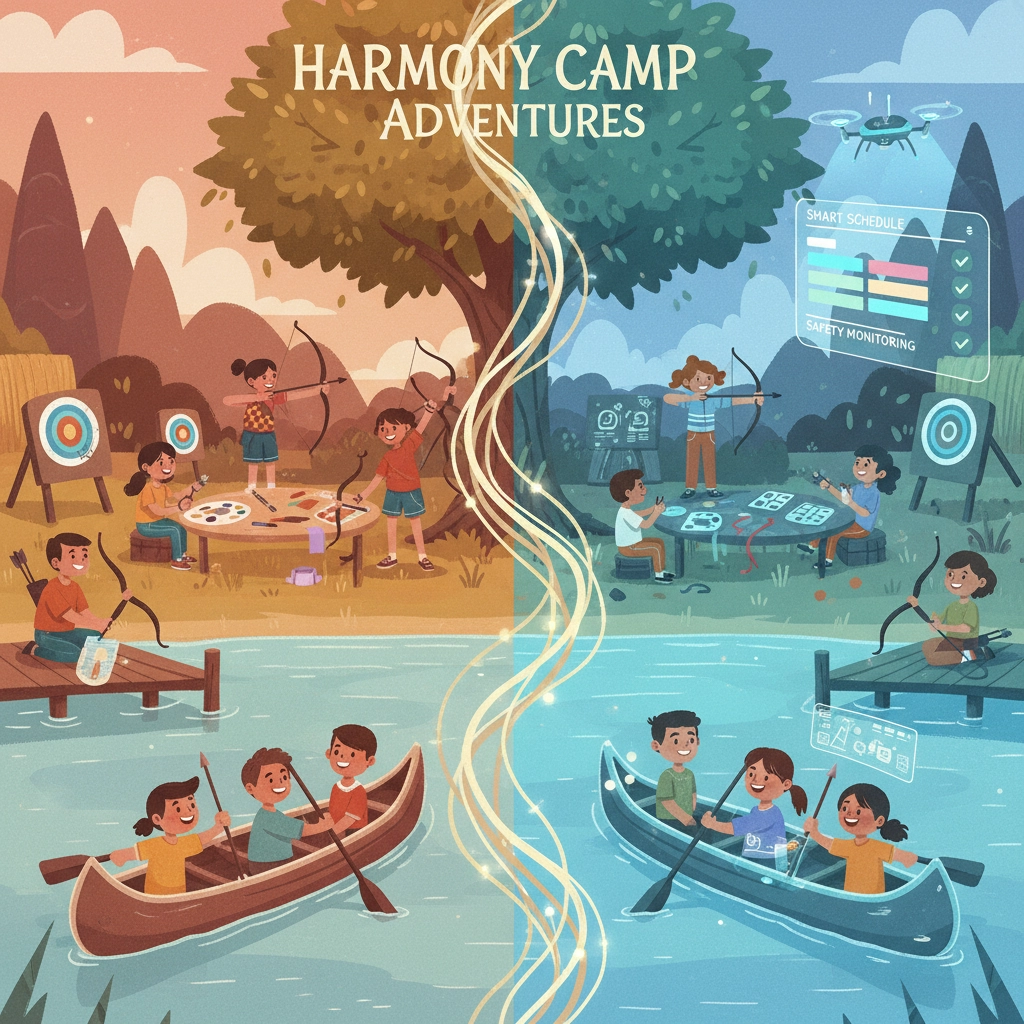
Parents also look to you for guidance. Families feel overwhelmed by change. They want simple answers. They want to know that the camp where they send their children understands the world and still holds firm to strong values. When you speak clearly about your approach to AI, you show them that your focus stays on safety, belonging, and development.
Staff training can reflect this intention. A short session on AI literacy can prepare counselors to use tools responsibly and with good judgment. You can give them examples of safe uses. You can explain how to question outputs. You can show them how these tools support the care they give to children.
Moving Forward
This week's AI news reminds us that the world outside camp is noisy. Children live in a culture that moves fast and expects instant answers. Adults feel pulled in many directions. Camp remains one of the few places where life slows down enough for people to breathe, listen, and form real relationships.
Your job isn't to chase trends. Your job is to protect the space where children grow in healthy ways. You use technology only when it supports that mission. You ignore it when it distracts from it. That clarity helps you decide what to adopt and what to set aside.
Time away from devices at camp helps grow brains and problem solvers. When children practice independence from technology while also learning to use it thoughtfully, they develop the critical thinking skills they'll need in an AI-powered world.
The news will continue to move fast. You don't need to match its pace. You prepare. You stay calm. You protect your values. You guide your staff. You support children. That's the real work. AI gives you more space to do it.
Want more insights on youth leadership and camp innovation? Follow along at www.ilove.camp and connect with me on Instagram (@MattLovesCamp) and LinkedIn for daily updates from the camp world.


Comments