


AI and Camp Weekly Summary: November 23, 2025 Sunday Daily Brief
- Matthew Kaufman

- Nov 23, 2025
- 6 min read
Welcome to your weekly AI roundup designed specifically for camp professionals. This week delivered some of the biggest AI announcements we've seen all year, and several of these developments will directly impact how you run your camp next summer.
Let's dive into what happened and what it means for your day-to-day operations.
The Week's Headline News
Google dominated this week's AI news with the release of Gemini 3.0, which immediately shot to the top of major AI benchmarks for both text and coding tasks. But that's just the beginning. We also saw major infrastructure commitments from OpenAI ($1.15 trillion), new safety updates from Anthropic, breakthrough research on multimodal coaching from Meta, and the first documented AI-powered cyber-espionage campaign.
For camp directors, this week's developments matter because they affect every aspect of your operation: training materials, staff communication, safety protocols, scheduling systems, and parent engagement.
Google Gemini 3.0 Sets New Standards
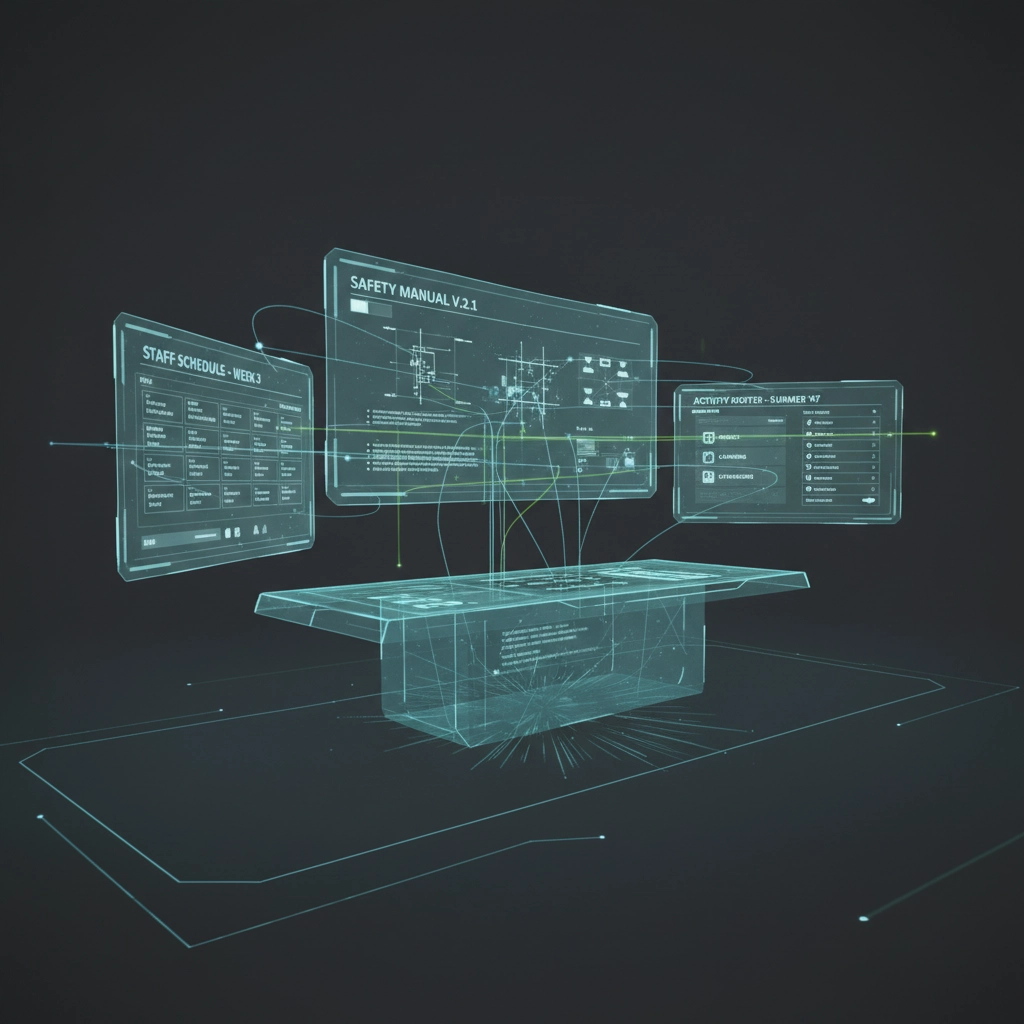
Google's Gemini 3.0 represents a major leap forward in what AI can handle reliably. Early testers reported significant improvements in long-context reliability, step-by-step reasoning, code generation, image analysis, and cross-document memory. A new tier focused on multi-hour session stability also launched.
Here's why this matters for your camp:
Document Processing: You deal with lengthy safety manuals, multi-page medical guidelines, transportation rules, and planning documents every week. Gemini 3.0 can now process these without breaking them into smaller chunks, giving you more accurate summaries and recommendations.
Staff Scheduling: The improved procedural reasoning supports complex scheduling tasks. Think about your rotation planning, bunk assignments, and staff deployment. These require balancing dozens of variables, and stronger AI reasoning helps you draft better initial schedules.
Training Support: With reliable memory across long sessions, you can conduct multi-step coaching sessions with your leadership team. The AI maintains context throughout extended conversations about challenging scenarios or policy discussions.
Image Analysis: Your camp probably has hundreds of photos documenting equipment setups, waterfront layouts, ropes course configurations, and storage areas. Gemini 3.0 can analyze these images and convert them into clear, step-by-step instructions for staff training.
The speed improvements also matter. Summer camp directors operate on tight timelines where every minute counts, especially during the opening week and busy program days.
OpenAI Enhances Long-Context Performance
OpenAI announced significant improvements to their long-context capabilities, with testing showing higher accuracy across documents up to 100,000 tokens. They also reduced "reasoning drift" during extended chains of thought.
For camps, this translates to more reliable handling of your comprehensive handbooks covering aquatics, adventure programs, transportation, nursing protocols, kitchen safety, and behavior management. You can now get accurate summaries and structured recommendations based on your official policies without worrying about the AI losing track of important details.
This improvement particularly supports risk management. When you're reviewing sensitive topics or preparing safety training, you want fewer hallucination errors and more reliable guidance drawn from your established procedures.
Anthropic Strengthens Safety Guardrails
Anthropic released an expanded safety report detailing new guardrails across health, legal, and high-risk categories. The update includes clarity checks when ambiguous questions appear, helping prevent misleading responses during safety discussions.
This benefits camps because your staff frequently need guidance during high-stakes situations. Junior counselors ask questions about medication distribution, conflicts between campers, appropriate boundaries, and supervision expectations. Having an AI assistant with strong safety guardrails provides more reliable guidance without drifting into speculation or potentially harmful advice.
During orientation, you can use scenario-based training supported by AI guidance that stays grounded in your official camp policies.
Meta's Multimodal Coaching Research
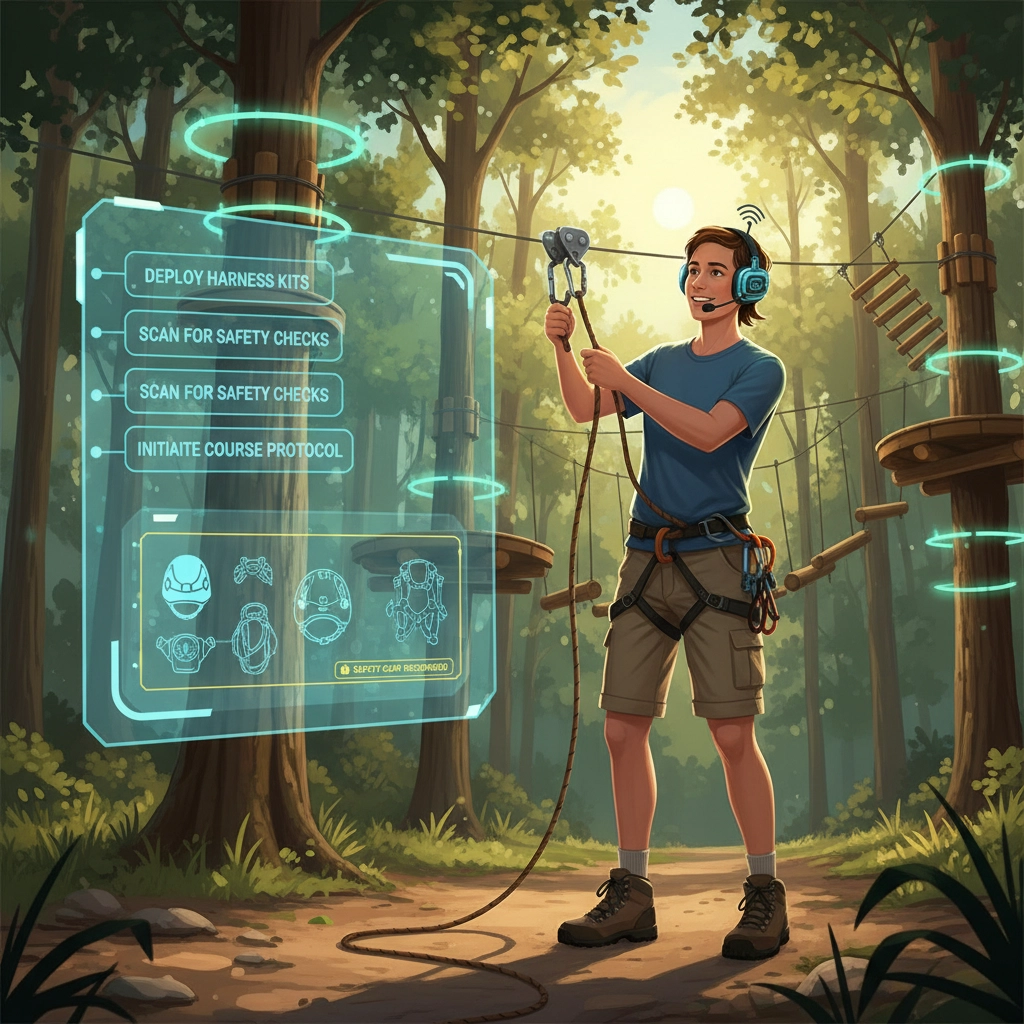
Meta published early findings from a study on multimodal coaching systems that combine text, voice, and sensor data. Participants showed faster task completion and fewer errors when receiving guidance through multiple channels.
Several practical applications emerge for camps:
Ropes instructors could receive voice prompts while setting up safety equipment
Waterfront staff could get equipment placement reminders based on photos of the swim area
Kitchen workers could verify food storage procedures using shelf photos
New counselors could follow video guides for special event setup
These multimodal systems reduce cognitive load for younger staff members during complex tasks, which improves both safety and consistency across your program.
Microsoft Advances Document Memory
Microsoft introduced new memory features across Office and Teams that support long-term recall across documents. Meeting notes, inspection files, parent emails, and planning sheets now sync more effectively.
Camps typically store thousands of files across multiple seasons. You need quick access to previous decisions, successful programming ideas, and communication patterns. Stronger memory tools reduce search time and support better continuity between seasons.
This also helps new staff members. A coordinator hired next spring can gain instant access to historical records without spending hours navigating complex folder structures.
Government Guidance on AI in Youth Settings
The White House requested public input on responsible AI use across youth programs, highlighting privacy protections, safety boundaries, educator training, and guidelines for working with minors.
Since camps work intensively with children throughout the summer, this guidance helps you develop clear internal policies around AI tools. You communicate regularly with parents and state agencies about privacy, reporting, documentation, and health matters, so having national standards supports your decision-making.
The announcement also included significant broadband infrastructure investment. Many camps operate in areas with limited connectivity, so improved bandwidth supports telehealth consultations, emergency communications, online training sessions, and faster parent paperwork processing during registration.

Digital Literacy Gaps Among Young Staff
UNICEF released a global study showing that while most young people understand basic AI concepts, many struggle with accuracy verification. The report found that students often rely on AI tools without proper training, and educators in many regions lack structured digital literacy curricula.
This directly affects your staffing because many counselors arrive with mixed digital skills. Your orientation program likely includes communication training, and AI literacy should become part of that curriculum. Teaching staff to verify AI outputs, check accuracy, and use tools responsibly prevents them from sharing incorrect information with families or fellow staff members.
Since camps prepare young adults for future careers, including responsible AI use in your training supports their professional development.
Stanford Research on AI Scheduling
Stanford researchers published data showing improved accuracy for AI systems handling complex scheduling tasks involving capacity limits, rotation fairness, prerequisites, and multi-day constraints. These challenges closely match camp operations.
Your scheduling challenges include activity rotations, bus assignments, waterfront schedules, rain day alternatives, staff break timing, field schedules for leagues, meal service shifts, and evening programming. Research progress suggests that more accurate automated scheduling support is coming, which could reduce the dozens of hours you currently spend building pre-season schedules.
Startup Funding in Compliance Tools
Multiple companies building regulatory compliance tools received significant funding this week. These systems focus on document processing, cross-checking requirements, safety rule extraction, and automated reminders.
Camps manage compliance across licensing, medical requirements, food safety, transportation rules, staffing ratios, certification tracking, and background checks. Automated compliance support reduces human error and strengthens your safety programs by catching missed requirements before they become problems.
Practical Trends for Camp Leaders
Here's how these developments connect to your daily work:
Training: Enhanced AI models create opportunities for more sophisticated orientation programs. You can build scenario-based training packages with high accuracy drawn from your policy documents.
Communication: Better summarization of long parent emails improves your response speed. You spend less time parsing lengthy messages and more time actually solving problems.
Program Quality: Multimodal coaching helps younger staff complete setup tasks with confidence, reducing error rates and increasing consistency during your busiest days.
Safety: Stronger AI safety features support responsible discussions of health issues, supervision protocols, emergency response, and behavior management.
Scheduling: Research progress points toward more reliable pre-season planning support. You can test multiple scheduling models using historical data to find optimal rotations and assignments.
Compliance: New funding for compliance startups signals better automated tools coming soon. These will help you manage cross-checks during licensing and accreditation periods.

Action Steps for This Week
You can take several practical steps based on these developments:
Load one of your comprehensive summer manuals into Gemini 3.0 and test its long-context reliability. Build a set of ten orientation scenarios and compare responses across different AI models. Use multimodal tools to create one setup guide for your waterfront, ropes course, or athletics program.
Review parent message logs from last season to identify common patterns and questions. Run a small scheduling experiment using last summer's attendance and capacity data. Review your compliance documents and test one automated extraction tool.
Most importantly, add a digital literacy component to your early staff training plan. Your counselors will arrive next summer with AI experience, but they'll need guidance on verification, accuracy checking, and responsible use.
Looking Ahead
This week's AI progress supports stronger leadership, safer programs, and more efficient operations. Enhanced long-context processing helps you manage large document collections. Multimodal research improves hands-on training effectiveness. Safety improvements support responsible staff development. Government guidance focuses attention on youth protection.
Each improvement creates more time for relationship-based leadership. AI handles the heavy data work so you can spend more time guiding children and supporting staff growth.
The technology continues advancing rapidly, but the goal remains the same: creating exceptional experiences that help young people develop problem-solving skills, creativity, and confidence. AI tools simply give you better leverage to focus on what matters most.
Want more insights on youth leadership and camp innovation? Follow along at www.ilove.camp and connect with me on Instagram (@MattLovesCamp) and LinkedIn for daily updates from the camp world.


Comments