


AI and Camp Weekly Summary : November 2, 2025
- Matthew Kaufman

- Nov 2, 2025
- 6 min read
Covering developments from October 26 → November 1
As we head deeper into fall and camp planning ramps up, the AI landscape has again shifted in ways that matter for the world of summer camps. This week brought announcements and signals that affect how camps will manage communications, operations, staffing, and safety: not just next year, but right now.
What caught my attention this week? Four major developments that camps can't afford to ignore. Let's dive into what happened, why it matters for your camp, and most importantly: what you can actually do about it starting this week.
What Happened This Week
ChatGPT Atlas Browser Launches
On October 21, OpenAI unveiled something pretty remarkable: ChatGPT Atlas, an AI-powered browser that integrates the ChatGPT assistant directly into your web experience. Think of it like having a really smart research assistant sitting right next to you as you browse.
You can highlight content for instant summaries, ask contextual questions about what you're reading, and compare products or data side-by-side. But here's where it gets interesting for camps: the "Agent Mode" (available to paid users) can actually act on your behalf. It can fill out forms, book tickets, and transfer data between apps.
The initial rollout is for macOS, with Windows, iOS and Android versions promised soon. This isn't just another browser: OpenAI wants to embed into every desktop workflow you use at camp.

Infrastructure Investment: 1 GW Data Center Campus
On October 30, OpenAI, Oracle and Related Digital announced a massive data center campus in Saline Township, Michigan, targeting more than one gigawatt of power for AI infrastructure. That's enough power to run a small city, all dedicated to AI processing.
Why should you care? This reinforces the compute arms race in AI: bigger models, more data, more power. But it also signals that compute costs may decline over time, making AI tools more affordable for camps.
New Research: Unified Multimodal Architecture
Late October brought academic research on "Ming-Flash-Omni": a model architecture that merges language, vision and speech into one efficient system. Translation? We're moving toward AI that can understand and respond using text, images, and voice simultaneously.
For camps, imagine counselors using mobile tools that understand voice commands, analyze photos, and respond via chat: all in one seamless interface.
OpenAI Restructuring Signals Growth
OpenAI completed a major restructuring in late October, revising their governance model to support larger scale operations. While this might seem like corporate news, it reminds us that even major AI vendors are evolving rapidly. Camps choosing AI partners need to consider vendor stability and roadmap clarity.
Why This Matters for Your Camp
Operations and Productivity
The Atlas browser means your browsing workflow just became a productivity tool. When you're researching vendors, managing parent communications, or updating registration systems, you'll have an AI assistant embedded right in your browser workflow.
Those massive infrastructure investments? They signal that AI tools will likely become more affordable over time. The camp tech budget you're planning for 2026 might stretch further than you think.
And unified architectures point toward future tools that combine text, vision and voice. Your staff training materials, safety protocols, and parent communications could soon work across all these formats seamlessly.
Staff and Leadership Challenges
Here's what keeps me up at night thinking about camp leadership: your staff tools are changing faster than most training programs can keep up. You're not just dealing with staff learning new spreadsheets anymore: you're dealing with tools that can act on their behalf.
That means training becomes even more critical. But it also means the camps that get ahead of this curve will have staff who can accomplish more in less time.
The OpenAI restructuring reminds us that vendor stability matters. When choosing AI partners for your camp, you need providers with clear roadmaps and solid foundations.
Safety and Governance
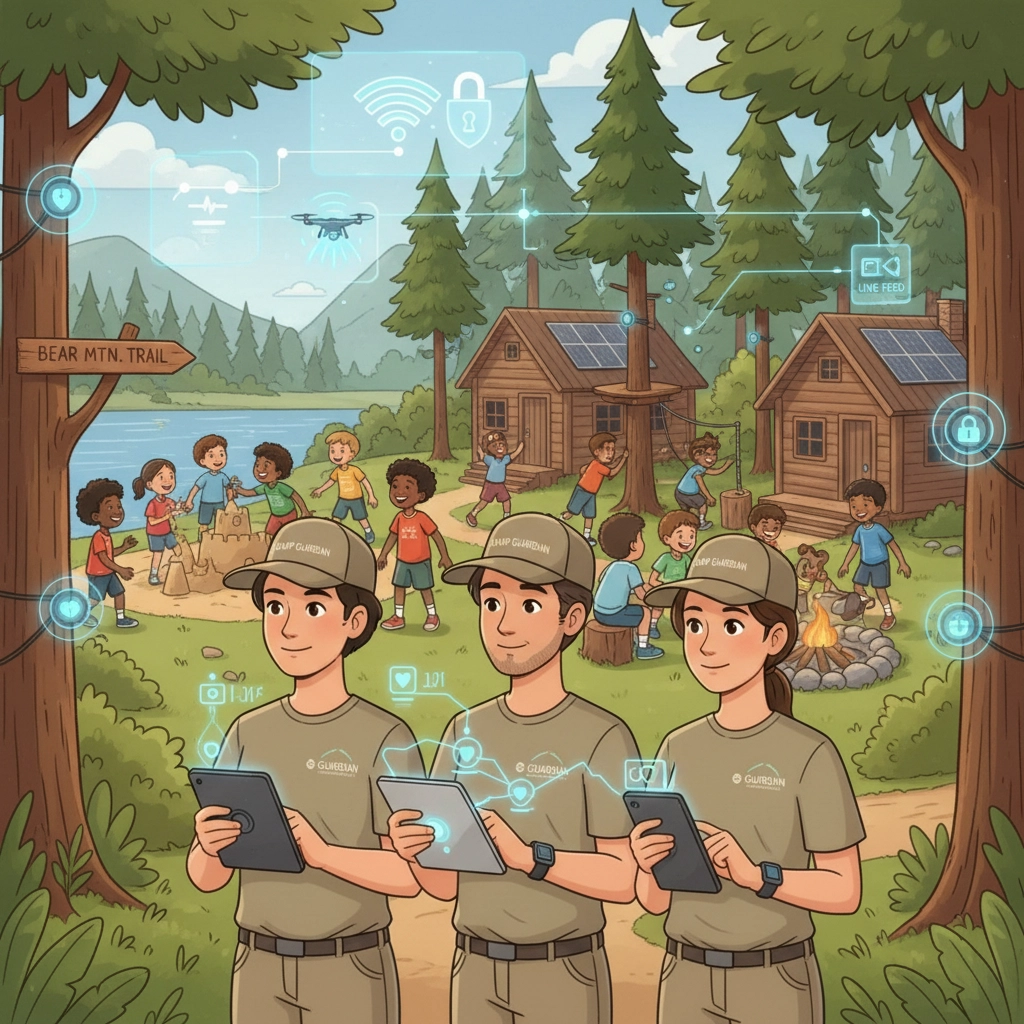
"Agent Mode" raises new questions that camp leadership must address. If your staff or service providers use tools that can fill out forms and post data automatically, you need clear protocols, audit logs, and human oversight.
Multimodal models mean tools that can analyze voice, images, and text simultaneously. For camps handling camper safety, video monitoring, and staff check-ins, you need to anticipate these capabilities and their privacy implications.
Communications and Parent Experience
Parents are already comparing your camp's communication tools to everything else they use online. With browsers becoming smarter and more helpful, parent portals, staff handbooks, and training resources will be judged against tools that almost do the work for users.
The expectation is shifting from "show me information" to "help me complete this task." Are your systems ready for that shift?
Concrete Camp Use Cases
Let me get practical about how these developments could transform your camp operations:
Leadership and Decision-Making
Picture this: You're reviewing parent feedback, staff reports, and vendor quotes. Instead of jumping between tabs and taking notes, Atlas highlights trends across all documents and proposes three decision points: like suggesting extended pickup hours based on parent feedback patterns, or consolidating purchase orders based on vendor pricing.
After leadership meetings, an AI agent could extract action items, assign them in your project management system automatically, and flag overdue items without staff manually tracking everything.
Operations and Staff Administration
Your registration office deals with endless parent questions about dates, sessions, and discounts. With embedded AI assistance, staff can summarize long email threads, draft appropriate replies, and pre-populate registration forms: all while maintaining your camp's voice and policies.
For vendor selection, imagine opening multiple vendor websites and asking Atlas to compare costs, contract terms, data export formats, and educational discounts side-by-side, then generate a recommendation memo automatically.
Safety and Compliance
When field staff submit incident reports, AI could flag important keywords, route reports to appropriate supervisors automatically, and create follow-up tasks for training or equipment checks. With multimodal capabilities coming, voice notes or mobile footage could be analyzed in real-time.
But here's the critical piece: with agent-capable tools accessing your data, you need clear audit logs, defined access permissions, and data governance from day one.

Communications and Parent Experience
Instead of static FAQs, parents could ask "Which session has availability?" or "Can I transfer my deposit?" and receive answers that actually check your systems (with proper permissions) and update their status or trigger appropriate emails.
Your marketing team could use unified text, image, and voice tools to produce videos, social posts, and training materials faster than ever. Camps that adopt these capabilities will raise the bar for parent and community engagement.
Budget and Strategic Staffing
Here's where the rubber meets the road: if your registration office saves 30 minutes per parent interaction through embedded AI assistance, that's time you can reallocate to camper outreach or parent engagement calls.
Start documenting time-saved value now. Build a budget line for "agentic tools": systems that take actions, not just provide information. This includes integration costs, training, and monitoring expenses.
Action Steps for This Week
Don't wait for perfect solutions. Here's what you can do right now:
Map One High-Volume Workflow
Choose one process that eats up staff time: vendor comparisons, parent email responses, or staff onboarding. Map it end-to-end: where time is spent now, where an AI assistant could help, and what human oversight is required.
Pilot Smart Browsing
If you have macOS access, install ChatGPT Atlas and test it on one real task. Scan your last ten vendor quotes and ask for a summary. Document time spent, errors found, and value gained.
Create Governance Guidelines
Draft a simple "AI agent use at camp" checklist: which tasks are allowed, which data is off-limits, how logging works, and who reviews agent-generated decisions. Share with leadership for quick approval.
Brief Your Staff
Send a brief update to your team: "This week we're exploring AI assistance tools for browsing and support tasks. If we find valuable applications, we may pilot them next month." Build curiosity, not anxiety.
Budget Planning
Add a line item for "agentic AI pilot Q1 2026" in your winter planning. Include integration, training, and monitoring costs. Identify one vendor you'll watch or trial.

Looking Ahead
This week's announcements represent a subtle but meaningful shift from AI that responds to prompts, to AI that takes action: embedded in browsers, connected to workflows, operating behind the scenes.
For camps managing registration, staffing, safety, and parent communications, this isn't just a cool new technology: it's a structural opportunity and strategic choice.
Your advantage won't come from waiting until everything is perfect. It'll come from starting now, piloting something small, capturing wins, and building the organizational muscle for smart workflows.
The camps that treat this as workflow evolution: not just tool adoption: will be better positioned for next summer and beyond.
What would happen if your staff could focus less on routine administrative tasks and more on what camps do best: developing problem-solving skills, creativity, and independence in young people? That's where these tools could really make a difference.
The technology is advancing rapidly, but the core mission remains the same: creating environments where kids and staff can disconnect from devices when needed while staying fluent with technology when it serves their goals.
Final Thoughts
The AI landscape continues evolving at a pace that demands attention without overwhelming action. These weekly summaries aim to help you stay informed about developments that matter for camp operations while providing practical steps you can take immediately.
The key is building the habit of thoughtful experimentation rather than reactive adoption. Start small, document results, and scale what works for your specific camp environment.
Leadership that balances technological capability with human-centered camp values will create the strongest foundation for the seasons ahead.
Want more insights on youth leadership and camp innovation? Follow along at ilove.camp and connect with me on Instagram (@MattLovesCamp) and LinkedIn for daily updates from the camp world.


Comments