


AI and Camp Weekly Summary: How This Week's Breakthroughs Shape Your 2026 Camp Operations (Sunday, November 30, 2025)
- Matthew Kaufman

- Nov 30, 2025
- 5 min read
This week marked one of the busiest stretches in AI news since early fall. Major platforms released new features. Analysts published adoption reports that caught everyone's attention. School districts and youth programs announced shifts in how they use automation that will ripple through our industry.
These stories give you a clear view of where technology is heading and how it will shape camp operations in 2026 and beyond. AI growth affects how families think about safety, communication, and service quality. It affects how your seasonal staff prepare and how you plan during the off season.
When you understand the direction of change, you make smarter decisions about training, documentation, and program structure.
Let's break down what happened this week and what it means for your camp.
The Documentation Revolution Just Hit Small Organizations
Two separate reports made headlines that should grab your attention. A national small business survey showed explosive growth in AI-assisted documentation: 43% of organizations with fewer than 100 employees now rely on AI to summarize meetings or create internal documents. Six months ago, that number was 29%.
At the same time, major platforms released upgrades that strengthen transcription, summarization, and document creation capabilities.
This reinforces a pattern you've probably felt in your own work. Organizations want tools that reduce administrative load. Camps live squarely in this category. You spend enormous amounts of time taking notes, sharing updates, and preparing staff materials. You rely on internal knowledge that spans many departments and many seasons.
When your documentation falls behind, mistakes appear. Kids notice inconsistencies. Staff get confused. Parents lose confidence.

Here's what this week's news means for your camp: the market is moving toward systems that capture conversations and turn them into structured materials. Your seasonal staff will benefit from this work. Clear documentation builds strong behavior and reduces confusion.
Three steps you should take right now:
Record your planning meetings
Summarize discussions using AI tools
Turn those summaries into updated procedures
Communication Speed Just Became the New Standard
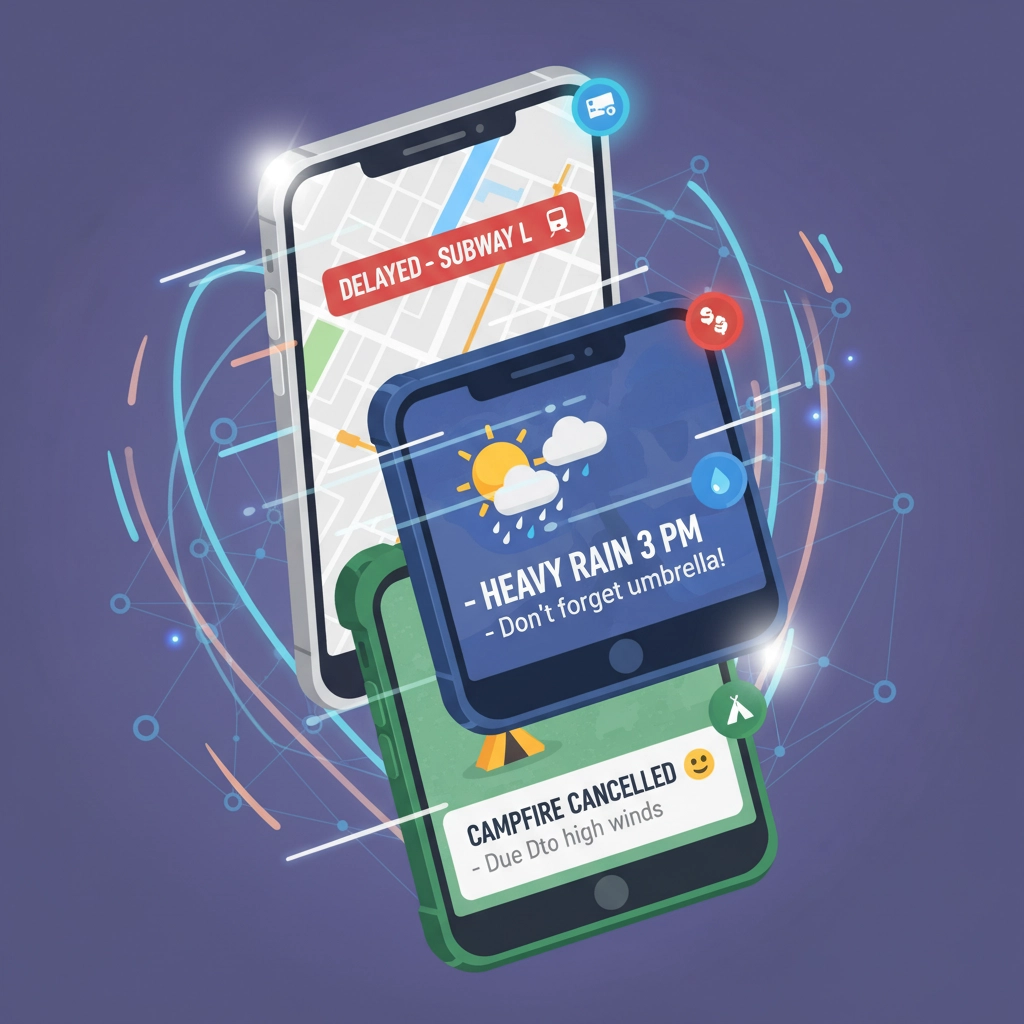
Several companies introduced updates this week that support faster notifications. Messaging platforms released features that group real-time alerts, summarize long threads, and forward updates to different channels automatically.
Why does this matter for your camp? Because families live inside these systems every day. Parents track transportation updates from schools. They get automated messages from health offices. They receive delivery alerts throughout the day.
This raises their expectations during camp season. They want timely messages. They want clear steps when plans shift. They want transparency in your process.
One education district announced a pilot program for automated attendance alerts that reach parents in under sixty seconds. Another district introduced an AI-supported transportation dashboard. These signals point toward a future where parents expect similar clarity from camp programs.
You should prepare for this shift now. The key actions include:
Standardizing your message formats
Strengthening transportation update workflows
Clarifying who sends which alerts
Reviewing your timing for communication throughout the day
This helps you meet rising expectations without creating pressure on your team.
Youth Programs Are Leading AI Adoption
This week brought surprising news from the youth development sector. Several organizations released data on how they use AI to support programming, and the results are impressive.
A national afterschool network reported improved planning through automated scheduling assistants. A sports league shared how it uses AI to track attendance and identify player burnout risk. A large YMCA system released a statement about internal AI use for staff training.
These programs serve children and teens. Their decisions carry weight. When parents see other youth programs adopt structured tools, they expect camps to understand these systems as well.
No one expects camps to add advanced machine learning systems. Parents simply want reassurance that you operate with clarity and structure. When they hear that other child-centered programs use AI to strengthen safety and planning, they want to know your approach.
Consider these practical steps:
Review your internal software capabilities
Strengthen off-season training for admin staff
Integrate AI-supported checklists into daily procedures
These steps prepare your camp for a future where digital tools serve as the backbone of youth program management.
Safety Communication Became Data-Driven
Safety dominated a significant portion of this week's AI news. Analysts published reports on AI systems designed for school security, mental health screening, and emergency communication. Youth programs discussed privacy issues while adopting new tools.
This theme will influence camp operations because safety communication shapes parent trust. Parents ask more questions each year about emergency response, behavioral management, and medical protocols.
The most relevant trend involves automated incident logging. Several organizations reported strong results after adopting systems that record incidents, classify them, and generate summaries for staff. These systems promote consistency, reduce gaps in documentation, and help teams respond the same way across settings.
Your camp can benefit from this approach:
Standardize your behavior incident reports
Use AI tools to produce clean summaries
Train staff to follow consistent steps
Safety relies on clarity. AI-supported documentation helps you reach that goal.

Another part of this week's safety coverage involved real-time monitoring for physical environments. Some schools adopted systems that track crowding and signal when areas reach unsafe density levels. A few youth programs are exploring camera-based supervision systems for aquatic environments.
The takeaway for camps is simple: families expect clear supervision systems. You should review your procedures and prepare to explain them confidently.
What These Trends Mean for Your 2026 Planning
Several research groups published adoption forecasts this week that reveal a clear pattern. Most organizations adopt AI tools in predictable stages:
Stage 1: Summaries and documentation Stage 2: Communication support and internal search Stage 3: Data organization and light automation Stage 4: Predictive tools for scheduling or resource planning
Camps sit naturally in the first two stages. You deal with large volumes of notes. You manage constant communication. You hold information across departments. Tools that summarize, organize, and support communication will help you immediately.
Later stages involve more complex integrations that you don't need to think about now. Your priority is improving clarity, organization, and consistency.
This week's reports showed that organizations in the first two stages see measurable benefits:
Better alignment across teams
Faster planning cycles
Higher staff satisfaction
Fewer communication errors
These results should encourage you. Camps operate with lean admin teams. Any improvement in clarity helps you run a stronger season.
Your Action Plan for the Next Six Months
You can act on these trends right now. These steps prepare your camp for next season and the era of elevated parent expectations:
Immediate actions (next 30 days):
Record and summarize planning meetings
Create structured staff materials with AI-supported tools
Build consistent message templates
Train your team on communication timing
Medium-term improvements (next 90 days):
Create clear incident reporting workflows
Improve internal search and documentation systems
Organize your digital archives
Build a shared knowledge folder for your leadership team
Season prep (next 6 months):
Review transportation updates and timing standards
Create simple systems for daily administrative checklists
Add AI-supported summaries to major decisions
Update safety protocol documents for clarity

Each step strengthens your internal operations and reduces uncertainty. These changes don't alter your mission: they strengthen it.
Camps serve as places where kids grow, move, connect, and practice resilience. When children step away from devices at camp, their brains develop problem-solving skills that no technology can replace. Your job is creating the structured environment where that growth happens.
Strong systems make those moments possible. AI-supported documentation and communication help you build the accuracy and consistency that great camp experiences require.
The broader AI industry is moving toward tools that help small teams run smoother operations. Camps stand to benefit from this shift because you operate with tight schedules, large groups, and high stakes.
As you think about 2026, remember that these technological improvements serve your core purpose: helping kids develop the creativity, time management, and interpersonal skills they need to thrive. The clearer your systems become, the more energy you can invest in what matters most: building confident, capable young people.
Want more insights on youth leadership and camp innovation? Follow along at www.ilove.camp and connect with me on Instagram (@MattLovesCamp) and LinkedIn for daily updates from the camp world.


Comments